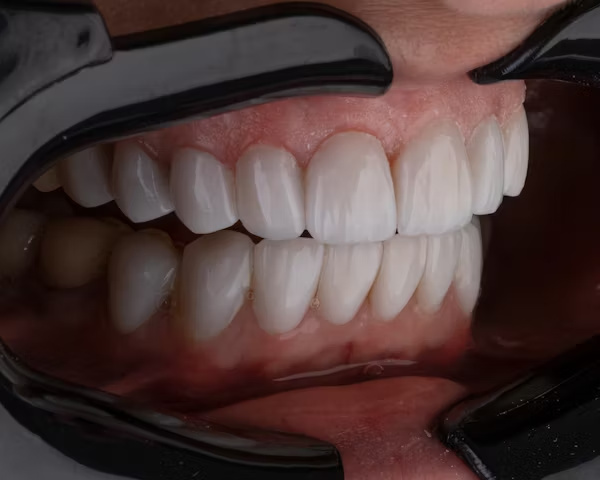
Your veneers are more than a cosmetic upgrade—they’re an investment in confidence and long-term oral health. But like any investment, they deserve the right level of care. If you’ve ever found yourself wondering how to take care of veneers in a way that’s simple yet effective, you’re in good company.
Many patients are surprised to learn that veneer maintenance is incredibly manageable with the right guidance.
And with support from a caring, advanced dental team—like the professionals at Central Avenue Dental, known for blending modern technology with a comforting small-town touch—keeping veneers pristine becomes second nature.
Understanding how to take care of veneers is essential if you want them to stay beautiful and durable. Think of veneers as the custom paint job on a luxury car: they’re stunning, but they need gentle, consistent upkeep
From brushing techniques to lifestyle adjustments, the choices you make every day directly impact how long your veneers last and how flawless they continue to look.
Each veneer is carefully crafted to mimic the translucency, shape, and shade of natural teeth.
During the placement process, your dentist gently prepares the surface of your tooth, takes detailed impressions, and then bonds the custom-designed veneer using strong dental adhesive. It’s a meticulous treatment that blends artistry, precision, and technology.
Porcelain veneers are the gold standard due to their superior durability and natural shine. Composite veneers, however, offer a more budget-friendly alternative and can often be applied more quickly. Both serve different needs, but porcelain typically provides the most long-lasting and visually appealing outcome.
| Feature | Porcelain Veneers | Composite Veneers |
| Durability | 10–20 years | 5–8 years |
| Stain Resistance | Highly resistant | Moderately resistant |
| Cost | Higher | Lower |
| Aesthetics | More translucent and natural-looking | Less translucent but still attractive |
Veneers can dramatically enhance your smile by correcting discoloration, chips, cracks, gaps, and minor alignment issues.
However, they cannot replace missing teeth, correct severe misalignment, or withstand excessive force from behaviors like grinding or chewing ice. Understanding their limitations helps ensure their longevity.
Daily brushing and flossing are essential. Poor hygiene allows plaque buildup, which can weaken bonding and affect the gums around your veneers. A clean mouth equals strong veneers.
Teeth grinding—especially at night—places significant pressure on veneers. Over time, this can create hairline cracks or even cause veneers to lift. A night guard becomes a crucial protective tool here.
Alcohol consumption, frequent smoking, or even contact sports can shorten the lifespan of your veneers. While veneers are durable, they’re not invincible. Little choices add up.
Use a soft-bristle brush and gentle, circular motions to clean teeth without wearing down veneer surfaces. It’s the technique, not the force, that cleans most effectively.
Abrasive toothpaste can dull the smooth, glossy finish of veneers. Always choose a mild, non-gritty toothpaste that protects the surface rather than scratches it.
Slide floss gently along the sides of your teeth without snapping it down. This prevents stress on veneer edges and keeps your gumline clean and healthy.
Anything requiring excessive biting force—ice, hard candies, or thick nuts—can chip or fracture veneers. When in doubt, choose softer alternatives or cut foods into smaller pieces.
While porcelain veneers are stain-resistant, the natural teeth around them aren’t. Coffee, wine, and dark sodas can create uneven coloration over time, making veneers appear less uniform.
Chewy candies, sticky caramels, and tough gummy snacks can tug at veneers or loosen bonding materials. It’s best to keep these treats to a minimum.
It’s normal to experience mild sensitivity after veneers are placed. This should gradually fade. Lingering pain, however, may indicate bonding issues or underlying problems that need attention.
Using desensitizing toothpaste, avoiding icy drinks, and brushing gently can ease sensitivity during the adjustment period. Most patients feel fully comfortable again within days.
If discomfort increases over time or interferes with daily activities, it’s time to call your dentist. Early intervention prevents further complications.
Porcelain has a glass-like, non-porous surface that resists staining far better than natural enamel. While this offers great protection, it doesn’t stop surrounding teeth from discoloring.
Frequent consumption of dark beverages or tobacco use can stain the edges of veneers or nearby enamel. Moderation and good hygiene help minimize this effect.
Whitening products don’t lighten veneers. They only affect natural teeth. Always consult your dentist before using whitening treatments to avoid uneven results.
A custom night guard absorbs pressure from grinding and clenching, preventing cracks, chips, and premature wear. It’s an easy and highly effective layer of protection.
Both habits put unnecessary stress on teeth. Veneers may be strong, but they aren't designed for this type of force. Breaking these habits pays off quickly.
A misaligned bite can create uneven pressure points that damage veneers. Regular checkups ensure your bite stays balanced and your veneers remain stable.
Electric toothbrushes with soft bristles are ideal because they provide a thorough clean without abrasive scrubbing. Manual soft-bristle brushes also work well.
Look for toothpaste with low abrasion levels, fluoride for cavity protection, and no harsh whitening additives. Your veneers will thank you.
Alcohol-free mouthwash is a must. Alcohol can weaken bonding materials and dry out the mouth, which can affect veneer comfort and longevity.
Professional cleanings remove buildup that brushing can’t. They also help prevent gum disease, which is vital to supporting veneers long-term.
Over time, veneer edges may show slight wear. Your dentist checks for early signs of deterioration and prevents small issues from becoming major repairs.
Central Avenue Dental dentists use specialized polishing tools designed for veneers, restoring their smooth, glossy finish and keeping your smile camera-ready.
Common warning signs include visible chips, cracks, darkening edges, or subtle movement. Regular exams catch these early, saving time and cost.
Minor chips may be polished, but larger damage often requires full replacement. Fortunately, modern veneers are highly durable when properly cared for.
Porcelain veneers typically last 10–20 years or more, while composite veneers last about half as long. Lifespan varies depending on maintenance, habits, and professional care.
Plaque around the gumline can lead to inflammation, recession, or infection. Gentle cleaning prevents these issues and keeps your smile looking natural.
As gums recede, veneer edges can become exposed, altering their seamless look. Good oral hygiene and regular cleanings help prevent this.
Healthy gums frame your veneers beautifully. Daily flossing and consistent brushing keep the gumline firm and even.
Travel with essentials like a soft toothbrush, sensitive toothpaste, mouthwash, and floss. A small protective case for a night guard is also helpful.
Flight air can be dry, which sometimes increases sensitivity. Stay hydrated and avoid extremely cold beverages during the flight.
If you travel frequently, consider scheduling checkups early. Consistent care prevents issues that can develop unnoticed over time.
Excessive alcohol can weaken dental bonding and increase the risk of veneer loosening. Moderate consumption is key.
Tobacco stains natural teeth, irritates gums, and increases oral health risks. While veneers resist stains, the overall smile can still appear uneven.
Participating in sports? A custom mouthguard shields veneers from impact and prevents costly damage.
At Central Avenue Dental in Charlotte, NC, patients experience the perfect blend of high-tech dentistry and warm, small-town hospitality. Our modern, newly renovated office is bright and comfortable, offering comprehensive care under one roof. Patients may even be greeted by Remi, the friendly therapy dog trained specifically to help ease dental anxiety.
With advanced training from the Kois Center and a passion for serving others, Dr. Abbas provides all dental services from routine cleanings to full mouth reconstruction using the latest techniques and technologies.
Central Avenue Dental, located at 3410 Central Ave, Charlotte, NC 28205, is ready to offer you the best dental experience in Charlotte, providing stress-free and personalized dental care.
You can schedule an appointment on Monday, Tuesday, and Wednesday from 7 AM to 3 PM, and on Thursday from 8 AM to 3 PM, though holiday hours may vary, as the office is closed Friday through Sunday.
Discover how stress-free, personalized dental care can truly be by scheduling your visit today.

Knowing How To Take Care of Veneers ensures they remain beautiful, functional, and long-lasting. Veneers don’t require complicated maintenance—just thoughtful daily habits, mindful food choices, and routine professional care.
By choosing an expert dental team at Central Avenue Dental, you gain partners who help protect your investment and keep your smile radiant for years to come. Call us now!
Yes. Choose non-abrasive toothpaste to protect the veneer’s surface from scratches or dullness.
The veneers themselves don’t, but the natural tooth behind them absolutely can. Great hygiene is essential.
Every six months during regular checkups and cleanings.
Porcelain veneers resist stains, but surrounding natural teeth can discolor, causing contrast.
Contact us today to beautify your smile and improve your oral health.
Phone
Monday - Wednesday
7:00am to 3:00pm
Thursday
8:00am to 3:00pm
Friday - Sunday
CLOSED