Waking up with jaw discomfort, sensitive teeth, or a lingering headache can feel minor at first—but these subtle symptoms often point to a bigger issue: teeth grinding. Clinically known as bruxism, this common condition affects millions of adults and children, frequently without their awareness. Left untreated, it can compromise enamel, strain jaw joints, and impact overall oral health.
Fortunately, there is a predictable and effective solution. nightguards for teeth grinding are designed to protect teeth, reduce muscle tension, and preserve long-term dental function. Dental professionals at Central Avenue Dental routinely recommend them as a conservative yet powerful preventive measure.
Understanding bruxism—and knowing when to intervene—can make the difference between minor wear and significant restorative work down the road. Let’s explore what you need to know.
Bruxism is the involuntary clenching or grinding of teeth, most often occurring during sleep. Because it happens subconsciously, many individuals remain unaware of the habit until a dentist identifies the signs.
Bruxism does not have a single cause. Instead, it typically results from a combination of contributing factors:
Stress remains one of the most common triggers. When the body remains in a heightened state of tension, jaw muscles often follow suit—leading to nighttime clenching.
Common indicators of teeth grinding include:
In many cases, a partner hears the grinding before the patient realizes it themselves.
Without intervention, bruxism can lead to:
Teeth are remarkably strong, but they are not designed to endure continuous lateral pressure night after night.
Enamel protects the inner layers of your teeth. When grinding wears this protective surface down, teeth become vulnerable to cracks, decay, and sensitivity. Severe cases may require crowns or other restorative procedures.
The temporomandibular joints connect the jaw to the skull. Chronic grinding overworks these joints, potentially leading to inflammation, clicking, locking, or limited movement.
Jaw muscles extend toward the temples and neck. When they remain contracted overnight, tension can radiate outward—resulting in persistent headaches or facial discomfort.
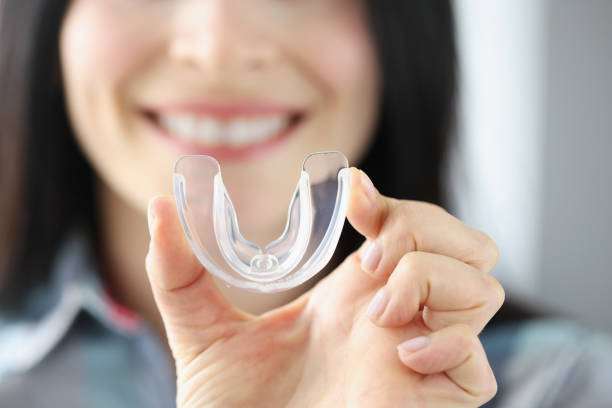
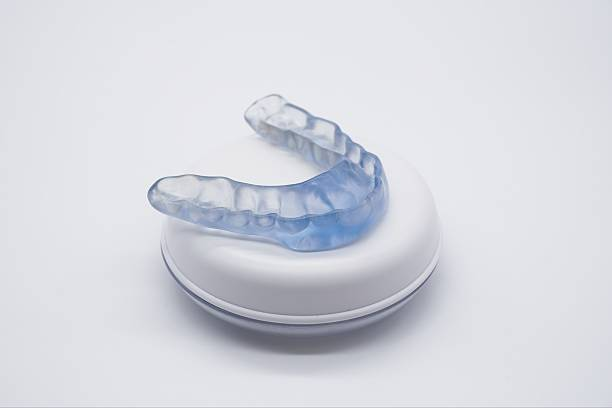
A nightguard is a dental appliance worn during sleep to protect teeth from grinding forces. It is typically fabricated from durable acrylic or similar materials.
By sitting between upper and lower teeth, the guard absorbs impact and distributes force evenly. This prevents tooth-to-tooth friction and reduces stress on jaw muscles.
Most nightguards are worn on the upper teeth, though lower-arch guards may be appropriate depending on bite alignment and patient comfort. A dental evaluation determines the best option.
Fabricated using dental impressions or digital scans, these provide the most precise fit and optimal protection. They are durable, comfortable, and designed specifically for your bite.
These over-the-counter options are softened in hot water and molded at home. While more affordable, they lack the precision of professional fabrication.
Pre-formed and ready to use, stock guards are the least expensive but often bulky and less comfortable.
A nightguard preserves enamel and reduces the risk of fractures. For many patients, it prevents the need for extensive restorative treatment.
By cushioning clenching forces, nightguards allow muscles to relax more naturally during sleep.
Less tension often leads to more restful sleep and fewer morning discomforts.
If bruxism has been clinically confirmed, protection becomes essential.
Persistent jaw discomfort frequently signals nighttime grinding.
Recurrent morning headaches may indicate muscle strain related to clenching.
Dentists evaluate both symptoms and physical evidence. At Central Avenue Dental, comprehensive examinations help identify early warning signs before significant damage occurs.
Tenderness in jaw muscles and limited joint movement may indicate bruxism.
Flattened biting surfaces and micro-fractures are common indicators.
Assessment of clicking, locking, or restricted opening helps determine severity.
Precise impressions or digital scans capture the shape of your teeth for accurate fabrication.
A dental laboratory creates a guard designed specifically for your bite dynamics.
Your dentist ensures the appliance fits comfortably and functions correctly.
Most patients adapt within a few days. Mild awareness is normal initially.
A properly fitted guard should feel secure but not restrictive.
Slight pressure may occur at first, but persistent discomfort should be evaluated.
Grinding intensity, material type, and maintenance habits influence longevity.
Visible thinning, cracks, or looseness indicate replacement may be needed.
Rinse after use and gently brush with a non-abrasive cleanser.
Store in a ventilated case to prevent moisture buildup.
Keep away from heat and avoid bending or chewing on the appliance.
By redistributing forces, guards reduce strain on the temporomandibular joints.
Patients often report decreased jaw pain and improved comfort.
Physical therapy, bite adjustments, and stress management may complement guard therapy.
Growth changes, orthodontic treatment, or stress may contribute.
If wear or discomfort develops, a dentist may recommend intervention.
Custom guards involve a higher initial investment but provide superior longevity and protection.
Some dental plans offer partial coverage for medically necessary nightguards.
Preventing cracked teeth or restorative procedures can significantly reduce long-term expenses.
Early evaluation prevents progressive damage. If you experience ongoing jaw pain, visible tooth wear, or frequent headaches, scheduling a dental visit is advisable.
The dental team at Central Avenue Dental have the expertise and technology to assess grinding patterns and recommend personalized protective solutions.
Central Avenue Dental, located at 3410 Central Ave, Charlotte, NC 28205, provides high-tech dentistry delivered with a small-town touch. Our newly renovated, bright, and modern office creates a welcoming atmosphere where patients feel at home. Families appreciate the personalized approach, and many patients are greeted by Remi, the therapy dog trained to ease dental anxiety.
Office hours are Monday through Wednesday from 7 AM to 3 PM and Thursday from 8 AM to 3 PM, with closures on Friday through Sunday; holiday hours may vary.
Patients seeking custom nightguards and comprehensive dental care can reserve an appointment to experience a higher standard of personalized dentistry.
Teeth grinding is often silent, gradual, and deceptively damaging. What begins as minor muscle tension can evolve into enamel loss, fractures, and chronic discomfort. Addressing bruxism early with professionally designed nightguards for teeth grinding offers a conservative and highly effective form of protection.
At Central Avenue Dental, patients receive individualized care supported by advanced technology and a commitment to excellence. By identifying the signs of grinding and implementing preventive solutions, dental professionals help preserve both comfort and long-term oral health.
Protecting your smile while you sleep is not simply about comfort—it is an investment in the durability and function of your teeth for years to come.
Morning jaw soreness, headaches, tooth sensitivity, or reports of grinding sounds from a partner are common indicators. A dental examination can confirm wear patterns associated with bruxism.
A nightguard primarily protects teeth and reduces strain. While it may decrease grinding intensity, its main purpose is to prevent damage rather than eliminate the habit entirely.
Nightguards should be worn every time you sleep, including naps, unless otherwise directed by your dentist.
The team uses detailed impressions or digital scans to fabricate a precision-fit appliance designed specifically for your bite and grinding pattern.
Contact us today to beautify your smile and improve your oral health.
Phone
Monday - Wednesday
7:00am to 3:00pm
Thursday
8:00am to 3:00pm
Friday - Sunday
CLOSED