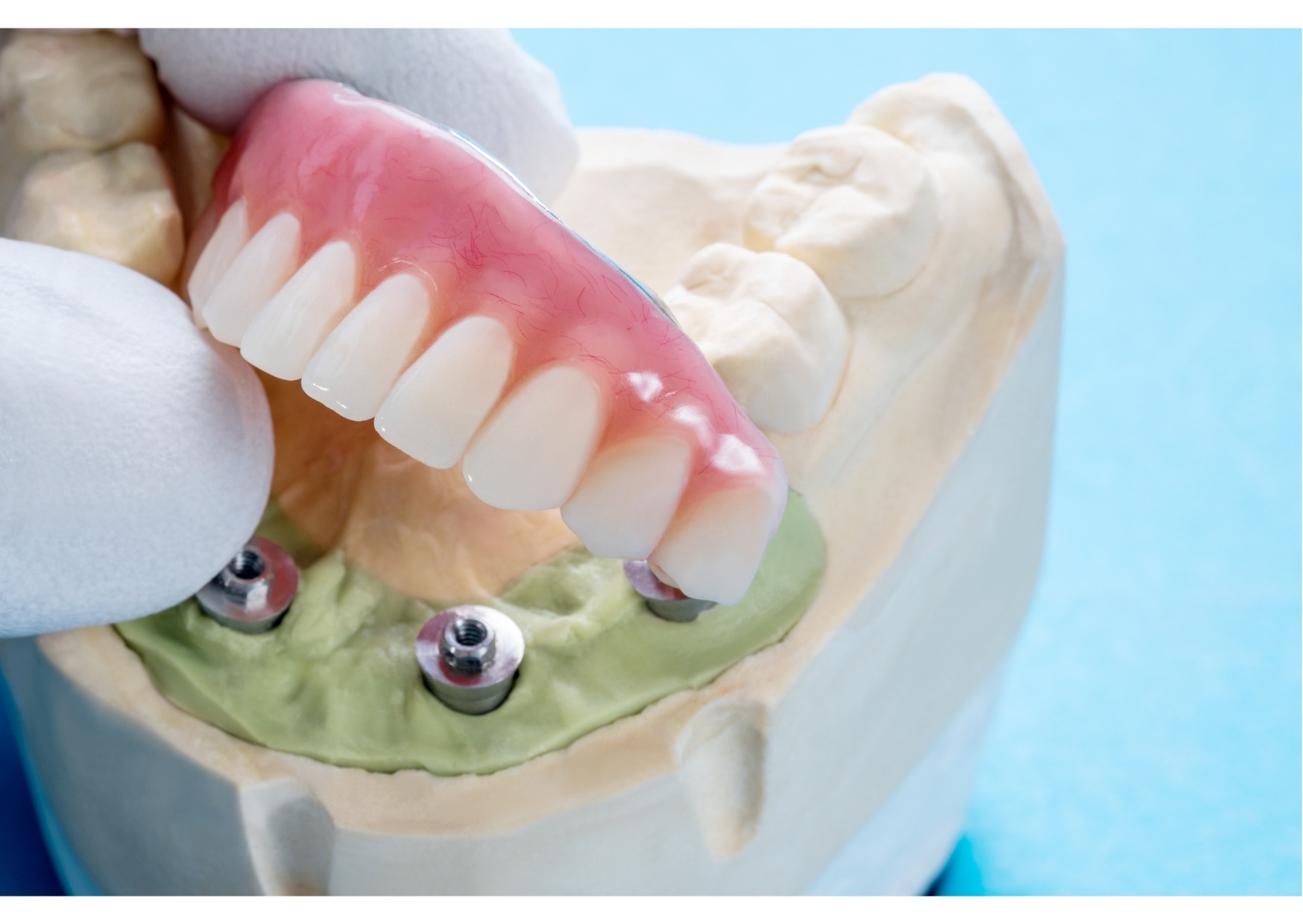
Losing a tooth is rarely just a cosmetic issue. A missing tooth can affect speech, chewing, comfort, and confidence, and dentistry has long wrestled with the question of how best to restore what the mouth can no longer do on its own. Modern implants are often presented as a clean technical solution, yet the cost of dental implants reflects far more than a single object. It includes surgery, planning, healing, materials, and clinical judgment.
For a concise primer on implant basics, see dental implant facts.
That complexity matters. Many patients see one number in an advertisement and hear a very different number after imaging, bone evaluation, and a full exam. The most responsible way to think about implant pricing is not as a mystery or a sales pitch, but as the visible result of several clinical decisions, each with its own benefits, limits, and tradeoffs.
If you are considering dental implants, Central Avenue Dental in Charlotte, NC can review your imaging and provide a personalized estimate. Call (704) 900-7301 to schedule a calm consultation; we’re happy to accommodate patients and can discuss same-day or next-day availability.
An implant restoration usually involves more than one component. There is the implant fixture, which is the titanium or ceramic post placed in the bone, the connector piece called an abutment, and the final crown that looks and functions like a tooth. Some estimates include all of these parts, while others list them separately, which is one reason pricing can feel inconsistent.
The condition of the mouth also changes the total cost. A site with healthy gum tissue, enough bone volume, and no active infection is usually simpler than a site affected by long-term tooth loss, periodontal disease, or a failed root canal. When bone has thinned or the sinus sits too close to the planned implant area in the upper back jaw, additional procedures such as bone grafting or oral surgery may be needed before placement is safe.
Geography plays a role as well. Fees in a major city, a high-cost suburban area, or a specialist surgical practice may be higher than fees in a smaller community office. That does not automatically mean better care, but it often reflects overhead, imaging technology, lab costs, and the training required for more complex treatment.
A careful estimate should clarify whether the fee covers consultation, 3D imaging, extraction if needed, temporary tooth replacement, sedation, bone grafting, the implant surgery itself, healing visits, the abutment, and the final crown. If those details are not spelled out, the number may be incomplete.
This is where many patients encounter the real complexity of implant treatment. The surgery may go smoothly, yet the financial picture changes because a cracked tooth needs removal first, a graft is recommended after extraction, or the bite needs adjustment before a crown can be made safely. None of that is unusual in dentistry, but it can feel overwhelming when a straightforward replacement becomes a staged process over several months.
A useful question to ask is simple: What is included in this estimate from start to finish? Another is whether the office expects any likely additional costs based on the current exam, even if those costs are not certain yet.
Implants depend on osseointegration, which means the implant surface bonds with the surrounding bone during healing. For that process to work predictably, the site must be stable, clean, and supported by enough bone. If the jaw has shrunk after years without a tooth, or if infection has damaged the area, treatment may require grafting material to rebuild support.
Some mouths also present mechanical challenges. Grinding or clenching, known clinically as bruxism, can place heavy force on an implant crown. A narrow space between teeth, a collapsed bite, or limited room for the restoration may require more planning and sometimes additional treatment before an implant is wise.
Medical history matters too. Tobacco use, poorly controlled diabetes, certain immune conditions, and some medications may affect healing or increase implant risk factors. That does not always rule out implants, but it can change the pace, sequence, and cost of care.
For one missing tooth, the most common alternatives are a dental bridge or, less often, a removable partial denture. A bridge uses the neighboring teeth for support, which can be a reasonable option when those teeth already need crowns. An implant, by contrast, usually stands on its own and may help preserve bone in the area because the jaw continues receiving functional stimulation.
The real question is not whether implants are modern and appealing. It is whether they are the best fit for this mouth, this budget, and this level of surgical tolerance. In some cases, a bridge is entirely appropriate and avoids surgery. In others, preparing healthy adjacent teeth for a bridge may be a significant biological cost that deserves honest discussion.
Here is a practical comparison:
| Option | Typical Upfront Cost Pattern | Main Advantages | Main Limitations |
| Single dental implant | Usually highest upfront cost | Replaces one tooth without cutting neighboring teeth, often feels stable | Requires surgery, healing time, and enough bone support |
| Dental bridge | Often moderate upfront cost | Faster completion in some cases, no implant surgery | May require reshaping adjacent teeth, does not directly replace the tooth root |
| Removable partial denture or implant dentures | Often lowest upfront cost for removable, higher for implant-retained | Lower initial expense for removable; implant dentures provide much greater stability | Removable may be less stable; implant dentures require multiple implants and surgery |
For a broader look at ways to replace missing teeth, see our guide. For more on bridges specifically, review dental bridges.
A lower upfront fee is not always the lower long-term cost, but a higher initial fee is not automatically the wiser choice either. Good dentistry is not a contest between technologies. It is a matter of matching treatment to anatomy, risk, function, and priorities.
When a tooth has been missing for a long time, the jawbone often becomes narrower and shorter. In the upper back jaw, the maxillary sinus, an air-filled cavity above the teeth, may sit close to the planned implant site. If there is not enough bone height, a sinus lift procedure or sinus augmentation may be recommended to create more support.
Bone grafting can also be done at the time of extraction or later, depending on the condition of the socket. These procedures are common, but they add time, materials, and healing stages. They also add some uncertainty, because the final implant timing may depend on how the graft matures.
This is one of the clearest reasons advertised implant prices should be read cautiously. A fee that sounds simple may apply only to an ideal site with no grafting, no extraction, and no anatomical obstacles.
Dental insurance coverage for implants varies widely. Some plans contribute to the crown but not the implant surgery, some cover parts of the process after waiting periods, and others exclude implants while offering benefits for bridges or dentures instead. Medical insurance may occasionally become relevant in unusual reconstructive situations, but for routine tooth replacement, dental benefits are more commonly involved.
For practical answers about benefits and claims, see dental insurance FAQs.
It is worth asking for a written pre-treatment estimate. That can help separate what the office fee is from what the plan may reimburse. It also reduces the risk of misunderstanding later.
Value is more than the lowest number. A well-planned implant case may involve high-quality imaging, attention to gum health, a carefully designed bite, and follow-up that protects the restoration for years. At the same time, expensive treatment is not automatically excellent treatment. The best sign is usually transparency: clear diagnosis, realistic timelines, and candid discussion of alternatives.
Some symptoms need prompt dental attention regardless of cost questions. Facial swelling, fever, worsening pain, pus, trouble swallowing, or difficulty opening the mouth may suggest infection or another urgent problem and should not be managed as a routine shopping decision.
There are also business red flags. Be cautious if an office promises that every missing tooth should be replaced with an implant, minimizes the need for imaging, or gives a one-size-fits-all quote without discussing bone quality, gum disease, or the condition of neighboring teeth. Implant treatment is common, but it is still surgery, and responsible planning should feel individualized.
A second opinion is reasonable when the plan is complex, the cost is high, or the explanation feels rushed. Patients should never feel pressured to agree on the same day simply because a promotional discount expires.
A strong consultation should leave room for questions, not just signatures. Consider asking:
These questions do not replace professional advice, but they often reveal whether the plan has been thought through carefully. They also help compare offices on something more meaningful than a headline price.
An implant is not immune to disease. The surrounding gum and bone can still become inflamed, especially if plaque builds up or bite forces are poorly controlled. Peri-implant mucositis refers to gum inflammation around an implant, and peri-implantitis means inflammation with bone loss. These problems may develop gradually, and the prevalence of peri-implantitis is one reason long-term maintenance deserves serious attention.
That is why maintenance matters to the true cost of care. Regular gum treatment, home cleaning that fits the restoration design, and monitoring of the bite are part of protecting the investment. A cheap implant placed without a stable long-term plan can become expensive in a different way.
There is a sobering lesson in all restorative dentistry: no replacement is identical to the original tooth. Even excellent treatment works within the limits of biology, healing, and time. The goal is not perfection. It is a durable function, comfort, and health managed with open eyes.
Ready to discuss dental implants? Call Central Avenue Dental at (704) 900-7301 to schedule a calm consultation in Charlotte, NC. We’re excited to welcome patients and will help you understand costs, timing, and alternatives.
An implant usually involves surgery, healing time, specialized components, and detailed planning. A bridge may cost less upfront in some cases, but the best option depends on the condition of nearby teeth, bone support, and long-term goals.
Not always. Some offices bundle the implant, abutment, and crown together, while others list them separately. Ask for a written estimate that shows each phase clearly.
Sometimes, but not in every case. Immediate placement may be possible when infection, bone shape, and gum conditions are favorable, though some sites heal more predictably when treatment is staged.
They may be, especially when preserving neighboring teeth and restoring stable chewing function are priorities. Still, worth depends on anatomy, risk factors, budget, and whether a bridge or removable option would serve just as well.
Seek prompt dental or medical evaluation if there is swelling, fever, spreading pain, drainage, bleeding that does not settle, or difficulty swallowing or breathing. Those signs need clinical attention first, cost comparison second.
Contact us today to beautify your smile and improve your oral health.
Phone
Monday - Wednesday
7:00am to 3:00pm
Thursday
8:00am to 3:00pm
Friday - Sunday
CLOSED