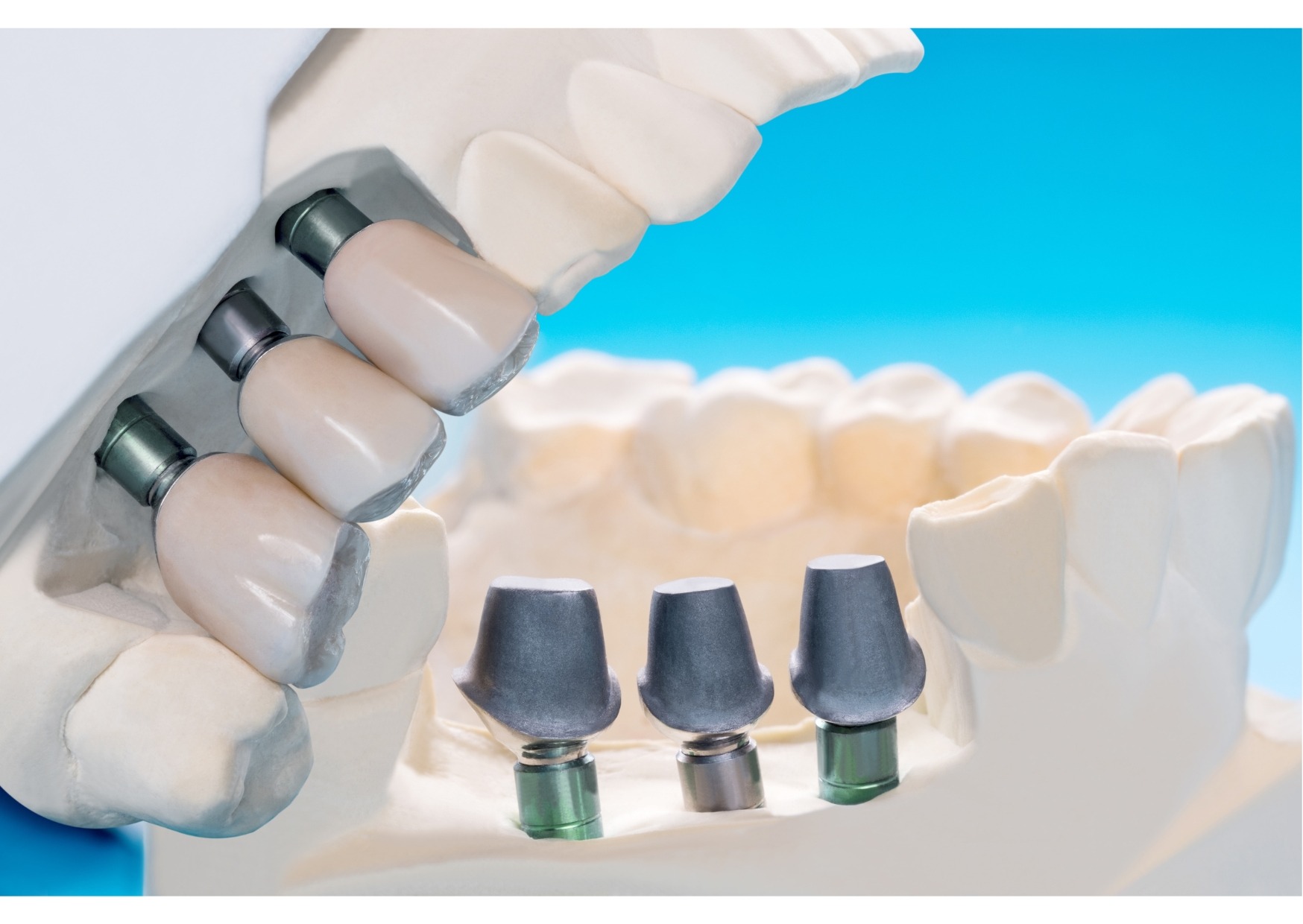
Modern dentistry did not arrive gently. For centuries, replacing a missing tooth was part craftsmanship, part improvisation, and often part suffering. Early attempts used carved materials, borrowed teeth, and metal designs that reflected the ambition of the era more than the biology of the mouth. What changed the story was the recognition that bone can, under the right conditions, bond to titanium. That process is called osseointegration, meaning the implant surface becomes anchored in the jawbone over time.
That scientific breakthrough gave dentistry one of its most important restorative options. For a concise overview, read facts about implants. A dental implant can support a crown, bridge, or denture in a way that often feels more stable and more natural than older solutions.
Still, the appeal of permanence can make the choice sound simpler than it is. The real question is not whether implants are good in general. It is whether the benefits and tradeoffs of dental implants fit the health of the mouth, the quality of the bone, the timeline, the budget, and the expectations of the person considering them.
If you are weighing options and would like a calm, practical consultation about dental implants, call Central Avenue Dental in Charlotte, NC at (704) 900-7301. We can review candidacy, timelines, and often arrange same-day or prompt appointments for patients.
This is where judgment matters. Implant treatment can be excellent, but it is still surgery, still healing, and still dependent on careful planning. A strong result usually comes from matching the treatment to the patient, not from assuming the newest or most durable option is automatically the best one.
A dental implant is a small post, usually made of titanium, placed into the jawbone to act as an artificial tooth root. After healing, a connector and a visible replacement tooth are attached. In some cases, implants support a single crown. In others, they support a bridge or help hold a denture more securely.
The major difference is structural. Traditional bridges rely on neighboring teeth for support, and removable dentures rest on the gums. Implants transfer biting forces into the bone, which is closer to how a natural tooth works. That distinction matters because the jawbone can shrink over time after a tooth is lost. Bone loss does not happen in every case at the same speed, but it is a common pattern, especially when a space has been empty for years.
This is one reason implants are often discussed with a certain reverence in dentistry. They do not simply fill a gap. They may help preserve function, support facial structure, and improve chewing confidence. Even so, the surgical nature of treatment means the conversation should stay balanced. An implant is a replacement for a missing tooth, not a perfect copy of the original tooth.
One of the clearest advantages is stability. A well-integrated implant usually feels more secure than a removable option, particularly during eating and speaking. Many patients notice that foods once avoided, such as crusty bread, crisp vegetables, or steak, become easier to manage again.
Another important benefit is that implants do not require the same kind of support from neighboring teeth that a traditional bridge often does. If the teeth beside the gap are healthy and untouched, preserving them can be a meaningful advantage. In practical terms, that can make implant treatment feel less like borrowing strength from other teeth and more like rebuilding the missing support where it belongs.
There is also the issue of bone. When a tooth is missing, the jaw in that area may gradually lose volume. Implants may reduce that process because the bone continues to receive functional stimulation. This does not guarantee that all bone changes stop, but it can help preserve the ridge better than leaving the space untreated.
Appearance matters too, though it should be discussed honestly. A well-designed implant crown can look very natural, especially in the hands of a skilled restorative dentist. The best cosmetic results usually come from careful planning of gum shape, bite position, and the visibility of the smile line, not from the implant alone.
For many people, the most persuasive advantage is long-term practicality. With good maintenance and favorable health conditions, implants can last many years. That durability is one reason a single-tooth implant is often the closest thing to a fixed replacement for a lost natural tooth.
The first drawback is simple and important: implant placement is a surgical procedure. Even when it is routine in experienced hands, it involves tissue healing, risk assessment, and the possibility of complications such as infection, delayed healing, bleeding, or implant failure.
Time is another factor. Some cases move efficiently, especially when bone and gum conditions are favorable. Others require tooth removal, healing, bone grafting, implant placement, and then additional healing before the final tooth can be attached. That can stretch treatment over months rather than weeks.
Cost is often the most visible disadvantage. Implant treatment may involve imaging, surgical placement, a custom crown, and sometimes grafting or sinus procedures. The total cost can be significantly higher than a removable denture or a conventional bridge. In many communities, this becomes the central practical barrier, not because implants lack value, but because timing and finances are real parts of healthcare decisions.
There are also biological limits. Not every patient has enough bone volume or the right gum conditions for straightforward treatment. Smoking, uncontrolled diabetes, active gum disease, heavy grinding, and certain medical histories may increase risk. These factors do not always rule implants out, but they can change the plan, the prognosis, or both.
Then there is the uncomfortable truth that every surgeon knows: a beautifully placed implant can still fail. Sometimes the implant does not integrate with the bone. Sometimes inflammation develops later around the implant. That condition is called peri-implantitis, which means inflammatory disease affecting the tissues around an implant. It can lead to bone loss and, in some cases, removal of the implant.
In other words, dental implants are durable but not invulnerable. That distinction deserves more attention than glossy before-and-after photos usually give it.
Dentistry is at its best when it resists unnecessary drama. A missing tooth can create real functional and emotional strain, but not every situation demands the most complex solution available. Sometimes the ethical question is not whether an implant can be placed. It is whether an implant should be the first recommendation.
If a natural tooth can be predictably saved, many dentists would argue that preserving it deserves serious consideration. Root canal treatment, periodontal care, or a crown may, in selected cases, maintain a natural tooth for many years. Natural teeth have a ligament around the root called the periodontal ligament, which helps with pressure sensing and shock absorption. An implant does not recreate that exact biology.
There are also cases where a dental bridge or removable partial denture may be reasonable. A bridge may be appropriate when adjacent teeth already need crowns. A removable option may be suitable when multiple teeth are missing and cost or medical complexity makes surgery less appealing. These are not inferior choices by default. They are different choices with different burdens.
This is where thoughtful treatment planning matters more than sales language. The best dentist for implant discussions is often the one willing to say that an implant is excellent in some cases, unnecessary in others, and unwise in a few. Good dentistry is not just about what can be done, but what is justified.
Before implants became widely accepted, bridges and dentures carried much of the burden of tooth replacement. They still do. In fact, many patients do very well with them, especially when they are designed carefully and maintained consistently.
A bridge is fixed in place and can feel more natural than a removable appliance. It may also be completed faster than implant treatment. The drawback is that it often depends on neighboring teeth, which may need to be reshaped to support crowns. If those teeth are already heavily restored, that tradeoff may be acceptable. If they are healthy and untouched, the decision becomes more complicated.
A removable denture is usually less expensive and can replace several missing teeth at once. For some patients, especially those with extensive tooth loss or significant medical limitations, this can be a practical and responsible choice. The disadvantages often include movement during chewing, pressure on the gums, and gradual changes in fit as the bone and soft tissue remodel.
For patients considering a more stable alternative to a removable denture, implant dentures are an option that secures a prosthesis to implants for improved comfort and function.
Here is a simple comparison:
| Option | Main strengths | Main limitations |
| Dental implant | Feels fixed, supports bone more naturally, does not rely on adjacent teeth in a single-tooth case | Surgery, longer timeline, higher cost, possible implant complications |
| Bridge | Fixed, often faster to complete, useful when adjacent teeth already need crowns | May require reshaping neighboring teeth, does not replace the root in bone |
| Removable denture | Lower upfront cost, can replace multiple teeth, non-surgical | May feel less stable, may affect chewing and speech, fit can change over time |
The right choice depends on anatomy, budget, goals, and tolerance for surgery. For a broader comparison, see replacement options. No replacement option is ideal in every mouth.
A good implant candidate often has healthy gums, enough bone to support the implant, and a mouth that can be kept clean consistently. Good general health helps, but the decision is rarely based on one factor alone. Dentists usually look at the whole picture, including medical history, medications, bite forces, and the condition of the surrounding teeth.
Gum health is especially important. If active periodontal disease is present, the tissues around teeth and implants may be more vulnerable to inflammation and bone loss. Treating gum disease first is often part of responsible planning rather than a delay for its own sake. If you have concerns about periodontal disease, seek gum disease care before implant planning.
Smoking deserves a direct mention. Tobacco use can impair blood flow and healing, and it has been linked to higher rates of implant complications. That does not mean every smoker will lose an implant, but it does mean the risk discussion should be candid.
Diabetes can also affect healing, especially if blood sugar is poorly controlled. Likewise, heavy clenching or grinding can increase mechanical stress on restorations. In some cases, a night guard may be discussed after treatment to protect the bite, but that plan should come from the treating dentist.
Age by itself is not the deciding factor many people assume it is. Some older adults are excellent candidates, while some younger adults may need to wait if jaw growth is incomplete or if oral disease is active. The condition of the bone and gums matters more than the number of birthdays.
Recovery after implant placement is usually manageable, but it is still recovery. Mild swelling, tenderness, and temporary changes in chewing are common in the short term. The exact experience varies depending on whether the case involved a simple placement, a tooth extraction, grafting, or more extensive surgery.
The deeper issue is healing beneath the surface. Osseointegration takes time, and the implant should not be judged only by how it feels in the first week. A site can seem quiet early on and still require months of biologic healing before it is ready for full restorative loading.
Long-term care is not complicated, but it is not optional. Implants need daily cleaning and regular professional monitoring. Plaque can still accumulate around them, and inflammation around an implant can progress with surprisingly little pain at first. That is one reason periodic exams and imaging remain important even when the implant feels fine.
It also helps to distinguish survival from success. An implant may still be physically present while showing gum recession, food trapping, or early bone loss. From a patient perspective, those details matter. A lasting implant is not just one that stays in place, but one that remains healthy and functional.
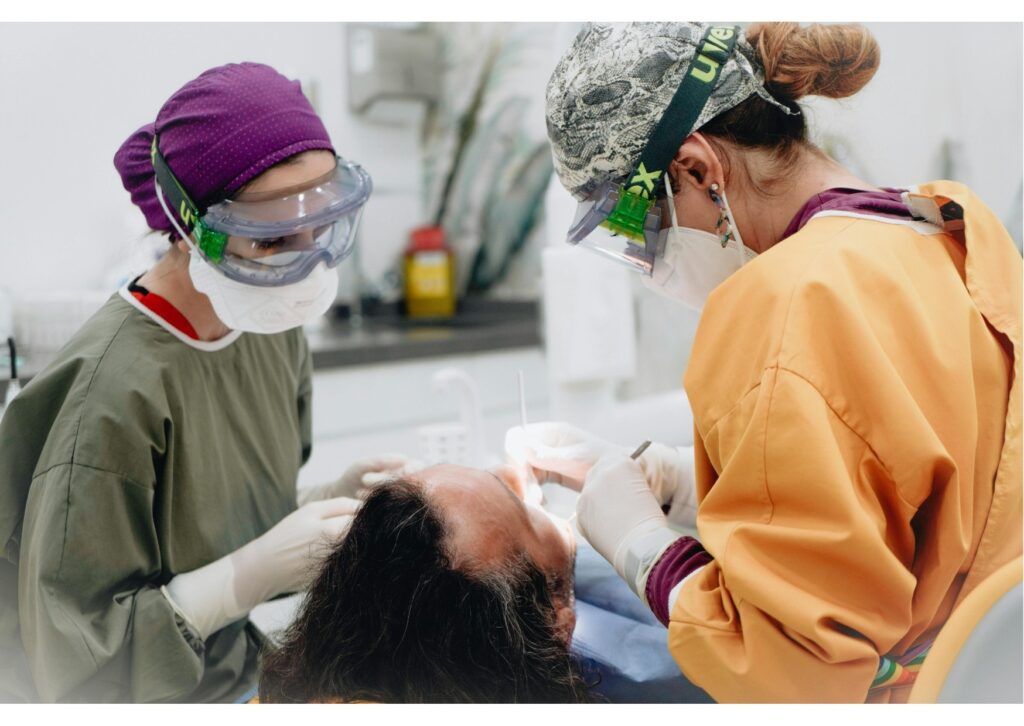
Some discomfort after implant surgery can be expected, but certain symptoms deserve prompt attention. Increasing swelling after the first few days, fever, pus, a bad taste that persists, uncontrolled bleeding, or pain that is worsening rather than improving may signal infection or another complication.
A loose implant or a restoration that suddenly feels unstable should also be evaluated. Sometimes the problem is a loose crown screw rather than failure of the implant itself, but that distinction cannot be made reliably without an exam. Numbness, tingling, or altered sensation in the lip, chin, or tongue after treatment should be reported quickly, especially if it does not improve as expected.
For established implants, bleeding around the implant, persistent tenderness, gum swelling, or a new deep pocket may suggest peri-implant disease. These signs do not always mean the implant will be lost, but delay is rarely helpful. If symptoms are urgent or severe, seek emergency care rather than waiting.
If swelling affects breathing or swallowing, seek urgent medical care immediately. That kind of escalation is uncommon, but it is not something to monitor casually.
The most useful way to think about dental implants pros and cons is not as a contest between good and bad, but as a question of fit. An implant may be the most elegant solution in one mouth and the least sensible in another. The decision becomes clearer when the consultation addresses anatomy, alternatives, risks, cost over time, and what happens if treatment is delayed.
A careful discussion should cover whether the missing tooth affects chewing, speech, neighboring teeth, or bite stability. It should also address whether bone grafting is likely, how the gum line may look in the smile, and what maintenance will be required years later. In highly visible front-tooth cases, cosmetic planning can be as important as surgical planning.
It is also reasonable to ask what the dentist would recommend if this were a family member with the same anatomy and budget. That question often cuts through polished marketing and brings the conversation back to judgment. For readers comparing broader ways to replace missing teeth, that perspective can be especially helpful. In my view, the best implant decisions are rarely rushed. They are made after the excitement settles and the realities are fully named.
A missing tooth can feel like a small event, but the choice of replacement carries a long shadow. Dentistry has learned, sometimes painfully, that replacing structure is easier than replacing biology. The wisest treatment plans respect that limit while still using modern tools well.
Ready to discuss whether dental implants are right for you? Call Central Avenue Dental at (704) 900-7301 to schedule a consultation in Charlotte, NC. We can review candidacy, timelines, and alternatives and often make time for patients coming from nearby areas.
Not always. Implants may be better in some cases because they can stand independently and support the bone more naturally, but bridges may be a smart option when adjacent teeth already need crowns or when surgery is not ideal.
Many implants last for years and sometimes much longer, especially with good oral hygiene, regular dental follow-up, and favorable health conditions. Longevity varies, and no restoration should be treated as maintenance-free.
The procedure is usually managed with local anesthesia, and postoperative discomfort is often temporary. The experience depends on the complexity of the surgery and the healing response of the individual patient.
For many patients, the biggest drawbacks are cost, the surgical process, and the time required for healing. In some cases, limited bone or gum problems add further complexity.
No. Many people are candidates, but some need gum treatment, bone grafting, medical stabilization, or a different replacement option. A dental evaluation is important when suitability is uncertain.
Prompt evaluation is appropriate if there is worsening pain, swelling, pus, fever, persistent bleeding, numbness, or anything that feels loose. Severe swelling that affects breathing or swallowing requires immediate medical attention.
Contact us today to beautify your smile and improve your oral health.
Phone
Monday - Wednesday
7:00am to 3:00pm
Thursday
8:00am to 3:00pm
Friday - Sunday
CLOSED