During dental implant recovery, soreness may settle before the implant is ready for normal chewing. Your gums and jawbone heal at different rates, so follow your surgical team’s instructions rather than using comfort alone to decide when to resume your usual foods and activities.
Mild soreness, swelling, and blood-tinged saliva can occur after surgery, but worsening symptoms need attention.
If you are considering dental implant surgery, understanding recovery can help you prepare for healing and follow-up care. Central Avenue Dental in Charlotte, NC, can help you understand what to expect based on your treatment plan.
Key Takeaway: Your implant may still need protection even when your mouth feels better. Follow your recovery instructions and keep follow-up visits so your dental team can determine when it is safe to increase chewing pressure.
Table of Contents
A dental implant is a post placed in the jawbone to support a replacement tooth. After placement, the gum tissue heals while the surrounding bone develops a stable connection with the implant, a process called osseointegration.
Gum healing and bone integration do not finish at the same time. When an implant can support chewing pressure depends on its stability and your treatment plan, not simply whether the incision feels comfortable.
|
Recovery Stage |
What Is Happening |
What It Means For You |
|---|---|---|
|
Early surgical healing |
The incision begins to close, and inflammation settles |
Protect the site and follow eating, cleaning, and activity instructions |
|
Bone integration |
Bone develops a stable connection with the implant |
Avoid unapproved chewing pressure, even if discomfort has resolved |
|
Restoration and adjustment |
The team evaluates readiness for the replacement tooth |
Attend appointments to check healing, the bite, and the restoration |
Some treatment plans include a temporary tooth during healing. Others leave the implant covered by gum tissue or fitted with a small healing cap. A temporary tooth is not necessarily designed for normal chewing, so ask what pressure it can safely handle.
Tenderness, swelling, bruising, mild blood-tinged saliva, and temporary jaw stiffness can occur after implant placement. Their extent depends on the procedure, including whether you also had a tooth removed or received a bone graft.
Symptoms should generally begin to settle as healing progresses. Pain or swelling that becomes more intense, returns after improving, or occurs with fever or drainage needs prompt evaluation.
Numbness can remain while local anesthesia wears off. Contact your surgeon promptly if it lasts longer than you were told to expect, particularly in the lip, chin, or tongue.
Your written discharge instructions take priority over general advice because grafts, stitches, and temporary restorations may require different care. If an instruction is unclear, ask your surgical team rather than guessing.
Choose soft foods that require little chewing, such as eggs, yogurt, mashed vegetables, or soft fish, as permitted by your team. For more ideas, see these soft food recipes. Avoid hard, crunchy, sticky, or sharp foods near the surgical area until you are cleared to resume them.
Do not test the implant by biting firmly on it. Avoid very hot foods and drinks while your mouth is numb, and follow your instructions about straws, alcohol, and chewing on the opposite side.
Keep the rest of your mouth clean, but follow specific instructions for brushing near the incision and using any rinse. Avoid vigorous rinsing, spitting, or probing the wound during early healing.
Use pain medicine only as directed by your clinician or the product label, taking your medical restrictions into account. Ask your dentist or pharmacist before using a medicine if you take blood thinners, have kidney or liver disease, are pregnant, or have another relevant health condition.
Rest after surgery and resume exercise or heavy lifting according to your surgeon’s guidance. If you received sedation, follow the separate instructions about driving, supervision, and returning to work.
Smoking and other tobacco use can impair healing and increase the risk of implant complications. Discuss vaping, nicotine products, and cessation support with your dental team rather than assuming a substitute is safe during recovery.
A removable denture or other temporary appliance should not rub or press into the surgical site. Tell your dentist if an appliance feels tight, painful, or unstable.
Watch Out: Protect your healing implant from 2 sources of pressure: hard test bites and a removable denture that rubs the site. Avoid testing the implant yourself, and have your dentist assess an appliance that causes discomfort.
There is no single recovery deadline for every implant. The number and location of implants, bone quality, grafting, surgical complexity, and your health can affect when you can resume activities and receive the final tooth. The broader tooth implant timeline includes both treatment and healing stages.
Conditions such as poorly controlled diabetes and habits such as smoking may interfere with healing. Tell your dental team about your medical history and all medicines or supplements you use. Do not stop prescribed medicines on your own.
Your job also affects return-to-work planning. Desk work, strenuous labor, and work involving driving or machinery require different considerations, especially after sedation. Ask for guidance based on your procedure and duties rather than someone else’s experience.
Pro Tip: Before surgery, get answers to 3 questions: When can I return to my usual work, what can I chew with my temporary tooth, and who should I call after hours? Keep those answers with your discharge instructions.
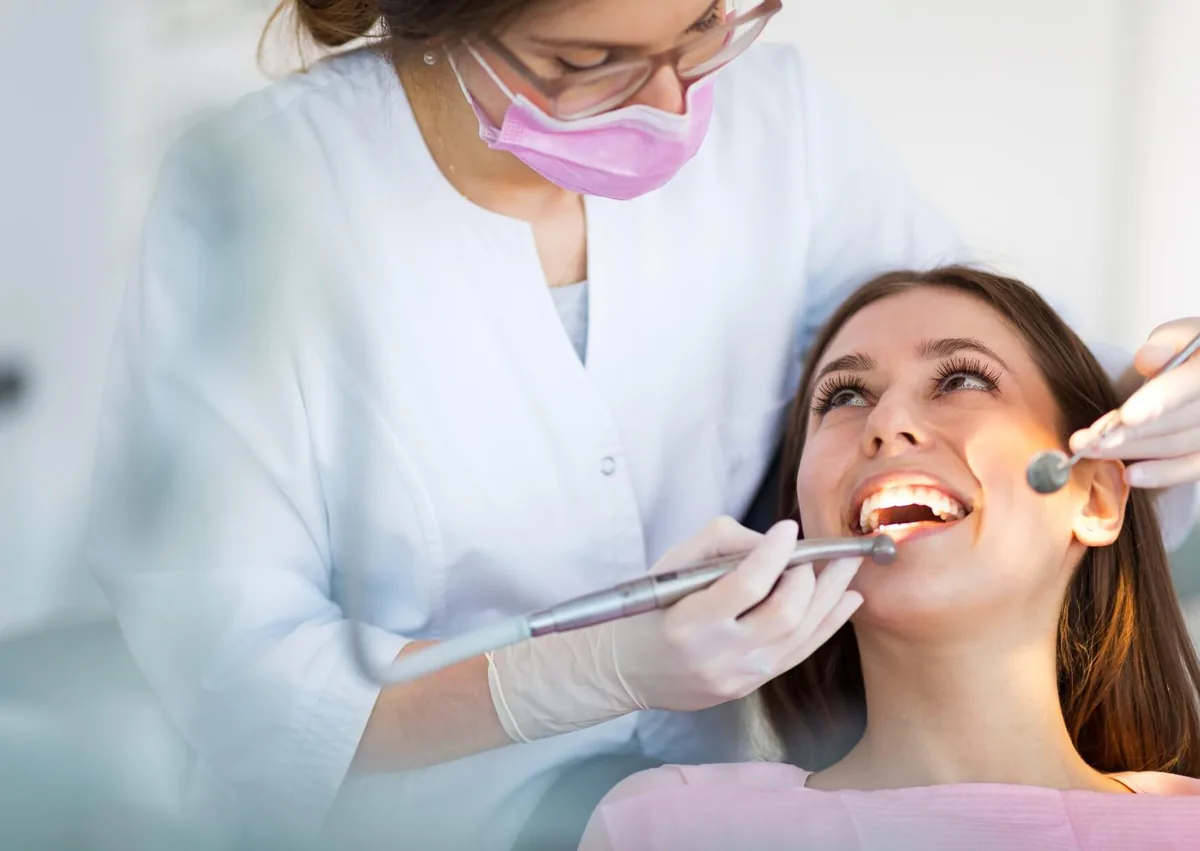
Follow-up appointments allow your team to inspect the gum tissue, assess implant stability when appropriate, and decide whether imaging or additional treatment is needed. Keep these visits even if you feel well, because comfort alone cannot confirm bone integration.
Ask for a written treatment plan showing which follow-ups, imaging, temporary teeth, and final restoration are included in the estimate. Confirm how unplanned visits or repairs are billed, since office policies and insurance benefits vary. Your insurer can explain plan-specific benefits, but an estimate is not a guarantee of payment.
If different clinicians handle surgery and the final tooth, confirm who coordinates care and shares treatment records. Make sure you know which office to contact for concerns during each stage.
Contact your dental surgeon promptly for symptoms that are severe, persistent, worsening, or different from your discharge instructions. Do not wait for a routine follow-up if you notice:
Do not try to tighten, remove, or reposition a loose component yourself. A dentist needs to determine whether the problem involves the replacement tooth, a connecting part, or the implant itself.
Seek emergency care immediately for trouble breathing or swallowing, rapidly spreading swelling of the mouth or neck, or heavy uncontrolled bleeding. Call 911 if symptoms threaten your breathing or you cannot safely reach emergency care.
For other concerning symptoms, contact your surgical team early to find out whether you need an examination or a change in home care. If you cannot reach your surgeon and need prompt attention, seek emergency dental care. Keep your discharge instructions and after-hours contact information accessible throughout recovery.
An appointment can help you discuss implant treatment and prepare for the recovery steps that apply to you. For dental implant surgery at Central Avenue Dental in Charlotte, NC, convenient to Plaza Midwood and Cotswold, call (704) 900-7301 to schedule.
Initial surgical healing and bone integration follow different schedules, so feeling comfortable is not the same as being ready for normal chewing. Your surgeon can estimate your recovery stages based on the procedure and update that estimate at follow-up visits. Grafting or other treatment needs may change the schedule.
That depends on the surgery, your symptoms, your job duties, and whether you received sedation. Ask your surgeon when it is safe to return, particularly if your work involves driving, machinery, or physical exertion.
Pain alone does not establish implant failure, and some tenderness can occur after surgery. Increasing pain, swelling, drainage, or movement needs prompt dental evaluation rather than an attempt to diagnose the problem at home.
Not necessarily, because bone may still be integrating with the implant after soreness resolves. Continue the recommended food restrictions until your dental team confirms that the implant and any temporary tooth can handle more chewing pressure.
Contact us today to beautify your smile and improve your oral health.
Phone
Monday - Wednesday
7:00am to 3:00pm
Thursday
8:00am to 3:00pm
Friday - Sunday
CLOSED