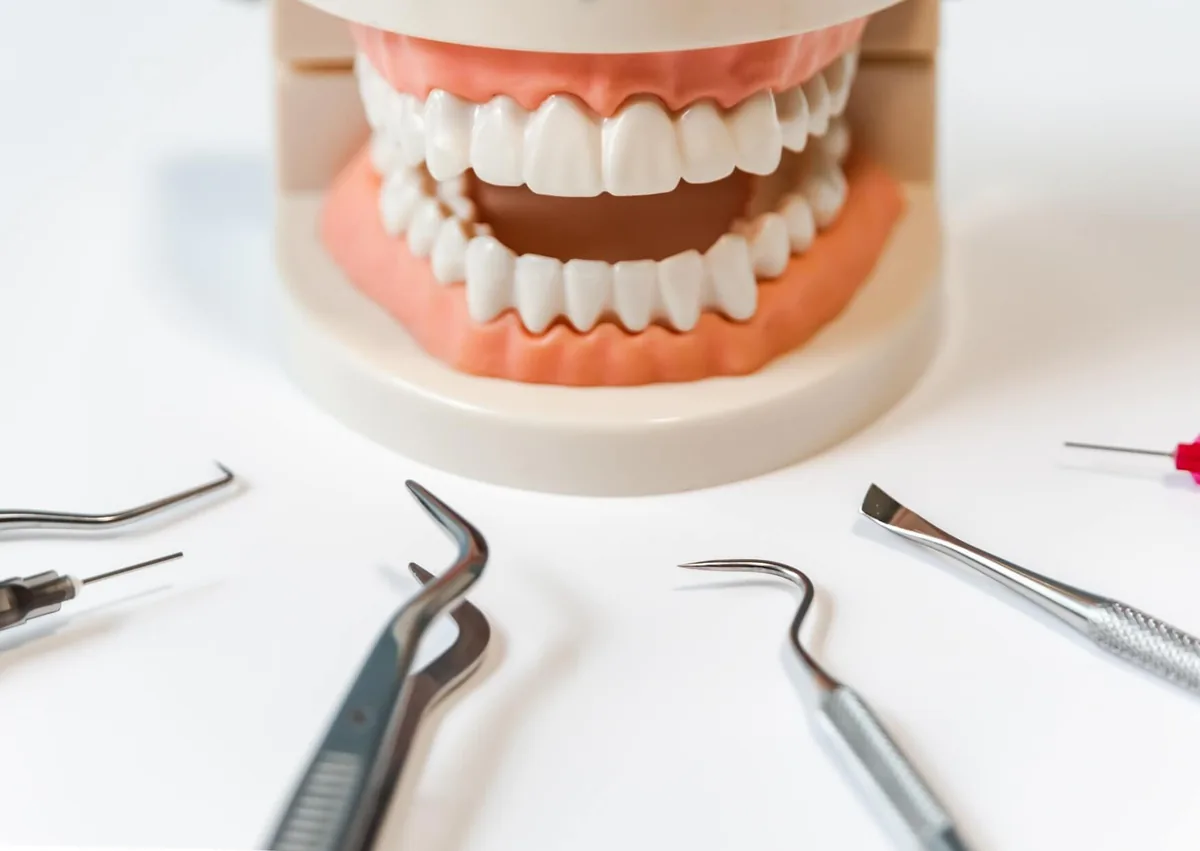
Gum contouring can improve a gummy smile, smooth an uneven gumline, or expose more tooth structure for a restoration. It works best when the gums are healthy and there is enough tissue to protect the roots, so a dental exam is needed first to confirm that reshaping is safe and likely to last.
If you're considering gum contouring to improve smile balance or prepare teeth for restorations, cosmetic dentistry can help integrate contouring with other aesthetic or restorative options. Central Avenue Dental in East Charlotte, NC provides coordinated treatment plans and conservative planning to protect oral health while improving appearance.
Gum contouring, also called gingival recontouring, removes or reshapes a small amount of gum tissue. It may help teeth look less short, make the gumline more even, or uncover tooth structure needed for a crown or filling.
Not every high or uneven gumline is caused by extra gum tissue. Tooth position, jaw development, lip movement, gum recession, medication-related tissue enlargement, and gum disease can all create a similar look.
That is why diagnosis matters. If the issue involves bone position or active periodontal problems, simple soft-tissue reshaping may not be the right treatment or may not give a stable result.
A dentist or periodontist may use a laser, electrosurgery, or a scalpel to reshape the gums. Clinicians experienced in laser periodontics often use lasers for precision and, in some cases, a smoother recovery.
The best method depends on how much tissue needs to be changed, where it is located, and whether the supporting bone also needs treatment. According to the externally cited guidance on crown lengthening, some cases require more than soft-tissue removal because the relationship between the gum, tooth, and bone affects long-term stability.
|
Procedure |
Common Purpose |
Typical Scope |
|---|---|---|
|
Cosmetic gum contouring |
Evens the gumline or reduces minor excess tissue |
Reshapes gum tissue only |
|
Gingivectomy |
Removes enlarged or diseased gum tissue |
May involve a larger area |
|
Crown lengthening |
Exposes more tooth for restoration or appearance |
May reshape gum and supporting bone |
|
Gum grafting |
Covers exposed roots or thickens thin tissue |
Adds tissue rather than removing it |
These procedures are not interchangeable. For example, removing tissue in an area with recession can expose more root surface and increase sensitivity.
In some situations, crown lengthening is a resective procedure that also involves supporting bone. That is why gum contouring is not always a substitute when the goal is to create healthy, lasting tooth exposure.
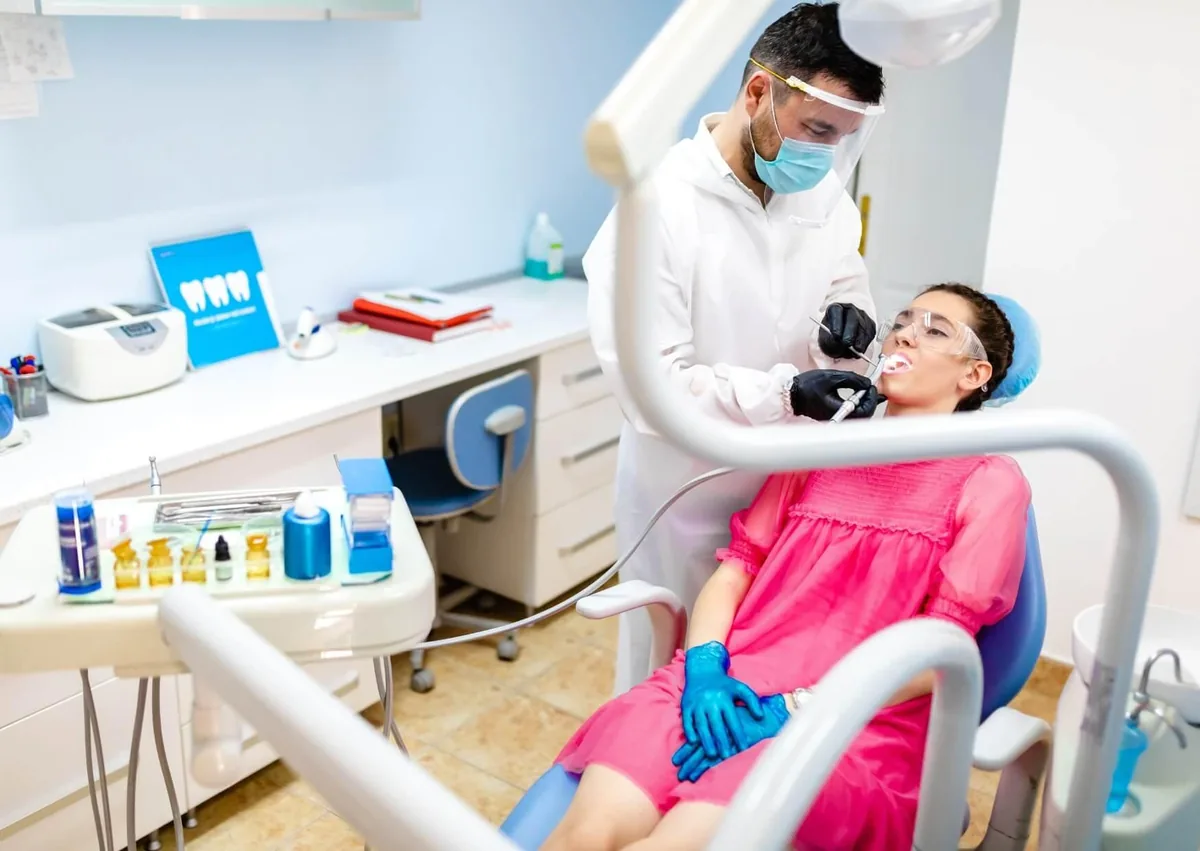
Before treatment, the clinician checks gum health, measures the tissue around the teeth, and may take X-rays to review bone levels. Photos or a marked outline may also be used to show the planned shape.
The final design must follow the tooth and bone anatomy, not appearance alone. This helps reduce the risk of exposing roots or creating an unstable gumline.
Local anesthetic is usually used to numb the area. The clinician then reshapes the tissue, controls bleeding, and confirms that enough gum remains around each tooth.
Gum contouring changes the gumline, but it does not change tooth color, alignment, or actual tooth size. If the main concern is worn teeth, tooth position, or overall smile balance, treatment may also involve porcelain veneers or a broader smile makeover.
Most patients have mild soreness, swelling, or light oozing for the first few days. The gums may look red or slightly uneven at first, so the final result is usually easier to judge after healing progresses over the next few weeks.
Follow your clinician's instructions for brushing, flossing, rinses, and food texture. Soft choices can help during early healing, and these soft food recipes may be useful after treatment.
Avoid tobacco, sharp foods, and anything that irritates the area while it heals. Do not pick at the gums, even if the tissue looks uneven early on.
Results are often long lasting when the treatment respects the underlying anatomy and the gums stay healthy. Some tissue rebound or regrowth can happen, especially if the original cause was not fully addressed.
Possible risks include prolonged bleeding, infection, recession, root sensitivity, uneven healing, and a result that does not match expectations. Removing too much tissue can expose roots or weaken the protective gum seal around a tooth.
Gum contouring also has limits. If the bone level, tooth shape, or periodontal condition is the real issue, reshaping the gum alone may not solve the problem.
Cost varies based on the number of teeth treated, the technique used, imaging needs, and whether bone reshaping or restorative work is included. Insurance may help when the procedure is medically necessary, but cosmetic-only treatment is often not covered.
Ask for a written treatment plan before moving forward. It should explain the reason for treatment, expected healing, alternatives, and estimated fees.
Good plaque control and regular dental visits help protect the new gumline. Ongoing gum health also lowers the chance of inflammation, tissue changes, or future recession.
A gentle brushing technique, routine cleanings, and a balanced diet all support healing and long-term stability. These foods for healthy gums can also support gum health over time.
Schedule a dental evaluation if excess or uneven gum tissue is new, worsening, painful, or linked with bleeding, bad breath, loose teeth, pus, or recession. Those signs may point to inflammation or periodontal disease rather than a cosmetic concern.
After treatment, contact the dental office if bleeding does not slow, pain or swelling gets worse, or you notice fever, pus, or a bad taste. Seek urgent medical care for trouble breathing or swallowing, or for rapidly spreading facial or neck swelling.
A short consultation can clarify whether gum contouring fits your goals and what to expect. Call Central Avenue Dental for cosmetic dentistry in East Charlotte, NC and nearby Plaza Midwood at (704) 900-7301 to schedule.
Local anesthetic usually keeps the procedure comfortable. Mild soreness or sensitivity afterward is common, and your clinician can recommend appropriate pain relief.
Initial tenderness and swelling often improve within a few days. The gums may take several weeks to settle into their final shape, especially if multiple teeth were treated.
Some tissue rebound or regrowth is possible. Long-term stability depends on the original cause, the amount of tissue removed, bone position, oral hygiene, and individual healing.
Results are often long lasting when treatment is properly planned and gum health remains stable. Aging, periodontal disease, certain medications, and oral hygiene changes can affect the gumline later.
No. Gum contouring removes tissue, while recession often requires monitoring, treatment of the cause, changes in brushing technique, or gum grafting.
Contact us today to beautify your smile and improve your oral health.
Phone
Monday - Wednesday
7:00am to 3:00pm
Thursday
8:00am to 3:00pm
Friday - Sunday
CLOSED