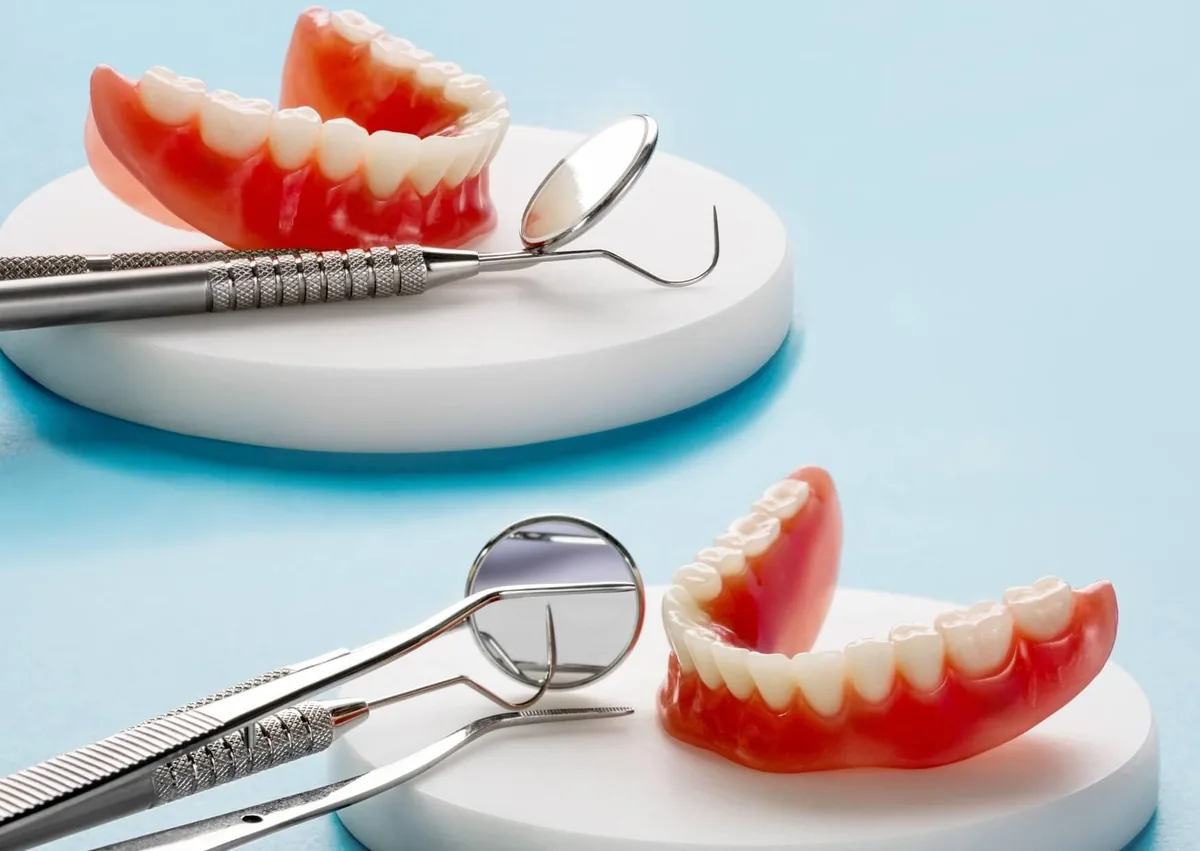
Most dentures last about 5 to 10 years, but the exact timeline depends on the denture type, daily care, wear, and changes in your gums and jawbone. Even if a denture still looks usable, it may need a reline, repair, or replacement sooner if it becomes loose, sore, hard to chew with, or visibly worn.
Cost and insurance often affect the repair-versus-replace decision. For more planning help, see the cost of dentures and dental insurance basics.
If you’re weighing whether to repair or replace a loose, uncomfortable, or worn denture, learning about dentures can clarify whether a reline, repair, or replacement will restore comfort and chewing. Central Avenue Dental in Charlotte, NC provides calm, personalized guidance to help you choose the option that best preserves function and appearance.
Different types of dentures have different wear patterns and maintenance needs. These timelines are general expectations, not fixed replacement deadlines.
|
Denture Type |
Typical Lifespan |
Important Consideration |
|---|---|---|
|
Complete removable denture |
5 to 10 years |
Jawbone and gum changes often loosen the fit over time |
|
Removable partial denture |
5 to 10 years |
Clasps, teeth, or the base may wear, bend, or break |
|
Implant-supported removable denture |
Often 5 to 10 years for the denture |
Attachments may need maintenance earlier; see implant dentures |
|
Fixed full-arch implant prosthesis |
Often 10 years or longer |
Teeth, screws, or other parts can still need repair or replacement |
|
Immediate denture |
Often temporary or transitional |
Healing after extractions can quickly change the fit |
Implants themselves, placed during dental implant surgery, may last much longer than the denture attached to them. Their longevity depends on oral hygiene, bone support, bite forces, tobacco use, medical conditions, and regular maintenance.
If you are comparing options, you can also read about the tooth implant process and dental implant aftercare.
Dentures wear down with normal use, but the bigger issue is often that your mouth changes over time. After teeth are removed, the gums and jawbone gradually shrink and change shape, which can make a denture feel loose even if the appliance itself is not broken.
Chewing, cleaning, and daily use also wear down the denture teeth and base. As that wear builds up, your bite may change and chewing may become less efficient.
For partial dentures, the fit can also change if a supporting tooth shifts, gets decay, or is lost. For implant-supported dentures, attachment parts may wear out before the denture base does.
Many dentures need adjustment before they need full replacement. A denture may still be structurally intact but no longer fit well enough to stay comfortable and stable.
Common signs that a denture may need a reline, repair, or replacement include:
Persistent looseness, soreness, or reduced chewing ability should be checked by a dentist instead of managed with repeated self-adjustment. In many cases, a dentist can correct the problem with a pressure adjustment, repair, attachment replacement, or reline.
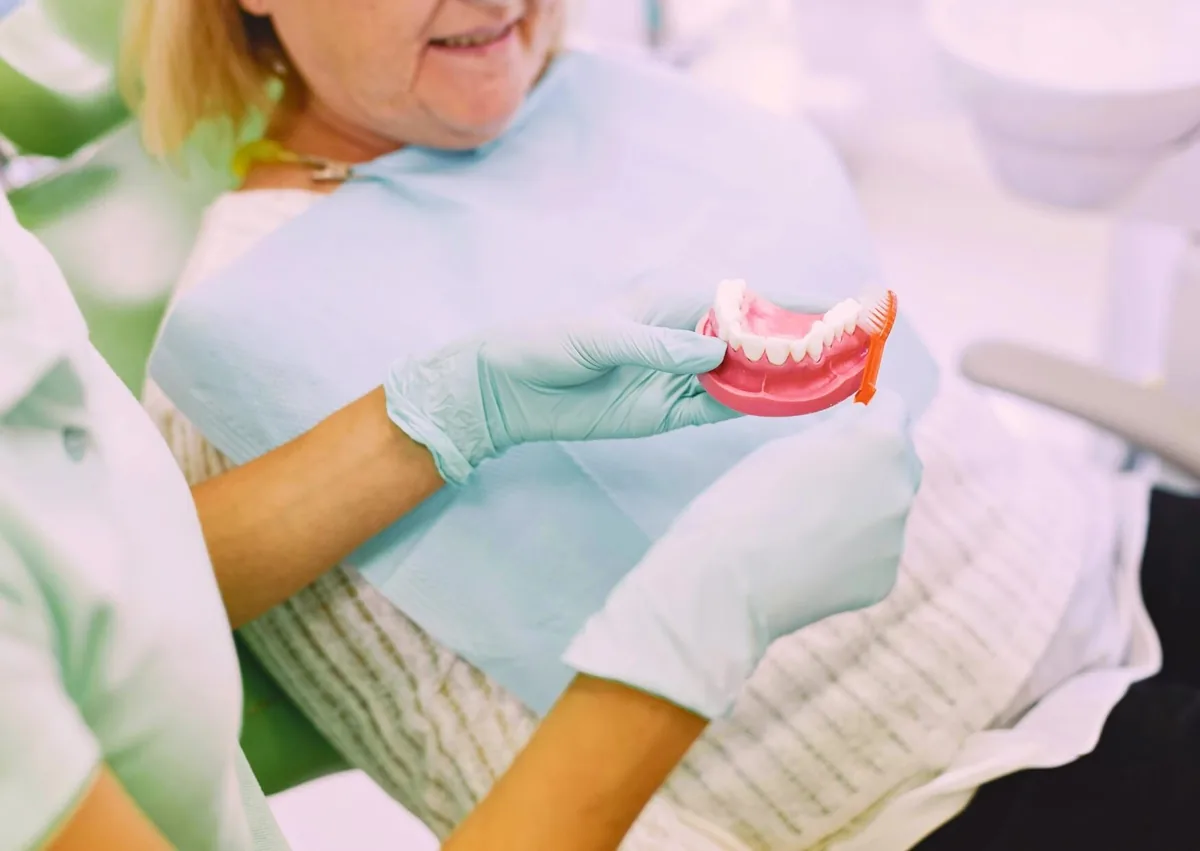
Good care helps dentures last longer, look better, and stay cleaner. It can reduce staining, odor, and accidental damage, but it cannot stop the natural changes in your gums and jaw.
Clean removable dentures every day with a soft denture brush and a cleaner made for dentures. Regular toothpaste can be too abrasive, and hot or boiling water can warp some denture materials.
Unless your dentist tells you otherwise, remove dentures while sleeping so the tissues can rest. Keep them moist as directed, and clean your gums, tongue, remaining teeth, and any implant parts every day.
Do not bend clasps or try to fix dentures with household glue or do-it-yourself repair kits. Home repairs can damage the denture and make professional repair harder.
Even if you have no natural teeth left, you still need routine dental visits. A dentist can check the fit, bite, tissue health, and signs of wear or oral disease.
There is no single schedule that fits everyone. The right timing depends on your oral health, remaining teeth, implants, dry mouth, tobacco use, medical conditions, and any past denture problems.
Using more adhesive is not a long-term fix for a loose denture. Adhesive may help a well-fitting denture feel more secure, but it does not correct major fit changes, fractures, infection, or bite problems.
Schedule a dental visit if you have pain, recurring sores, bleeding, worsening looseness, broken denture parts, or a sudden bite change. A sore, red patch, white patch, lump, or unexplained irritation that lasts more than about two weeks should also be evaluated.
Seek urgent care for major facial swelling, uncontrolled bleeding, trouble breathing or swallowing, fever with spreading swelling, or jaw trauma. Do not keep wearing a fractured denture if sharp edges are cutting your mouth.
Regular evaluation helps separate normal wear from problems involving the gums, bone, remaining teeth, or implants. Early care often makes treatment simpler and helps protect the tissues supporting the denture.
If your denture is loose, painful, or shows visible wear, the next step is a professional evaluation to determine whether adjustment, reline, or replacement is needed. Central Avenue Dental offers dentures in Charlotte near Plaza Midwood and Cotswold; call (704) 900-7301 or schedule online to book an appointment.
A denture can stay physically intact for 20 years, but that does not mean it still fits or works well. Changes in the jaw, gums, bite, and denture teeth often make replacement appropriate much sooner.
A reline may help if the denture is otherwise in good condition but no longer fits closely against the gums. A new denture may be the better choice if the teeth or base are badly worn, the bite has changed a lot, or the denture has had repeated repairs.
Possibly. Some dentures wear down gradually without causing immediate pain, but they may still lose chewing efficiency or proper support.
Adhesive can improve retention in some cases, but it cannot reverse wear or fix a poor fit. If you need more adhesive over time, it is a good idea to schedule an evaluation.
The removable denture portion often lasts about 5 to 10 years, while fixed full-arch prostheses may last 10 years or longer. Attachment inserts, screws, artificial teeth, or other parts may need maintenance sooner, and the implants still need regular professional monitoring.
Contact us today to beautify your smile and improve your oral health.
Phone
Monday - Wednesday
7:00am to 3:00pm
Thursday
8:00am to 3:00pm
Friday - Sunday
CLOSED