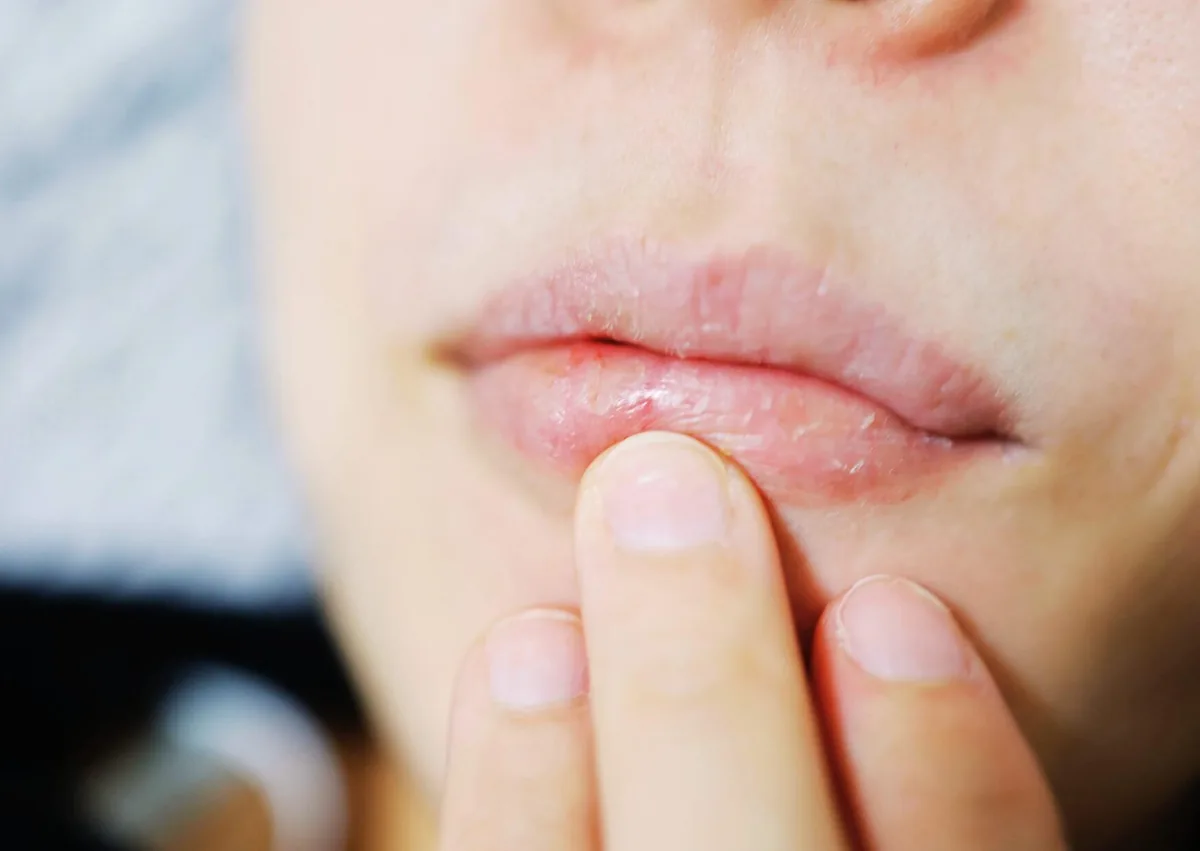
A dry mouth usually means you do not have enough saliva to keep your mouth comfortable and protected. It can happen briefly from dehydration, stress, or mouth breathing, but ongoing dryness is often linked to medications, health conditions, or reduced salivary gland function. Because saliva protects the teeth and soft tissues, persistent dry mouth deserves attention.
If persistent dry mouth is affecting your comfort, sleep, or eating, a focused dental exam can identify causes and guide targeted prevention. At Central Avenue Dental in East Charlotte, NC we offer family dentistry services, review medications, assess saliva function, and tailor a practical care plan to protect your oral health.
Dry mouth can start suddenly after exercise, fever, vomiting, diarrhea, alcohol use, or simply not drinking enough fluids. Stress and anxiety can also temporarily reduce saliva flow.
Mouth breathing from nasal congestion often makes dryness feel worse at night or first thing in the morning. If symptoms began after starting a new medication or changing a dose, a side effect may be the cause.
Do not stop or change a prescription on your own. A physician or pharmacist can review whether a different option may be appropriate.
Medications are one of the most common reasons for dry mouth. Common examples include some antihistamines, decongestants, antidepressants, blood pressure medicines, bladder-control drugs, muscle relaxants, and certain pain medicines.
Other possible causes include:
Aging alone does not usually cause severe dry mouth. More often, the issue relates to medications, medical conditions, or several factors happening at the same time.
Dry mouth, also called xerostomia, is the feeling of oral dryness. Some people feel very dry even when saliva flow is not severely reduced, so dentists look at both symptoms and what they see during the exam.
Common signs include thick or stringy saliva, cracked lips, a dry or burning tongue, altered taste, bad breath, and trouble speaking or swallowing dry foods. Dentures may also rub more or feel less stable because saliva helps cushion the tissues and improve retention.
Saliva helps wash away food, neutralize acids, and supply minerals that protect enamel. When saliva stays low, cavities can form quickly, especially near the gumline and on exposed roots.
Low saliva can also raise the risk of oral yeast infections and plaque buildup. Over time, that may increase the risk of plaque and tooth loss.
Dry mouth may also make gum problems worse. If you notice bleeding, inflammation, or loose teeth, ask about gum disease treatment.
Sip plain water regularly throughout the day. If dryness bothers you at night, keep water by the bed.
Chewing sugar-free gum with xylitol or using sugar-free lozenges may help stimulate saliva if your glands can still respond. Avoid products that could be a choking risk.
Try to limit alcohol, tobacco, nicotine, and excess caffeine. These can worsen dryness or irritate already sensitive tissues.
Use an alcohol-free mouth rinse and fluoride toothpaste. It also helps to cut back on frequent sugary or acidic drinks such as soda, sports drinks, and sweetened tea.
A cool-mist humidifier may help if dry indoor air or mouth breathing is part of the problem. Saliva-substitute sprays, gels, and rinses can add temporary moisture, but they do not fix the underlying cause.
Because dry mouth raises cavity risk, prevention matters. Your dentist may recommend stronger fluoride protection and, in some cases, dental sealants to help protect vulnerable teeth.
In selected cases, a clinician may recommend prescription treatment to stimulate saliva. The best option depends on the cause, your medical history, and how much salivary gland function remains.
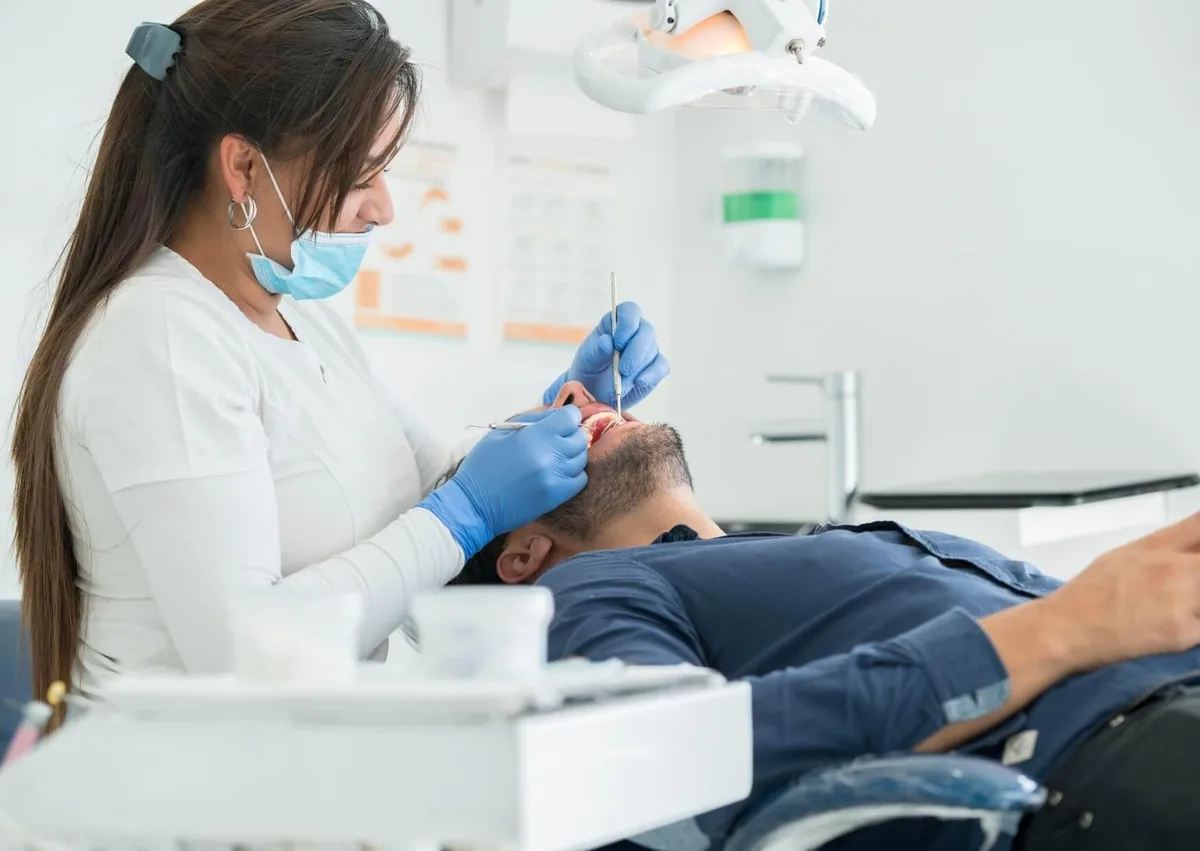
Schedule a dental visit with family dentistry if dry mouth lasts more than a couple of weeks, keeps coming back, affects sleep or eating, or happens with new cavities, mouth sores, burning, bad breath, or denture problems. A dentist can check your teeth and soft tissues, review likely causes, and coordinate with your physician if needed.
Seek prompt medical care if dry mouth happens with marked thirst, frequent urination, unexplained weight loss, confusion, fainting, or signs of significant dehydration. Get urgent help for trouble breathing or swallowing, or for rapidly increasing facial or neck swelling, especially with fever.
Persistent dry mouth is often manageable once the cause is identified. Early care can improve comfort and lower the risk of decay, gumline damage, and oral infection.
If dry mouth persists or is causing cavities or denture problems, the next step is a dental exam to identify causes and begin prevention or treatment. Central Avenue Dental offers family dentistry in East Charlotte, NC and serves Plaza Midwood and Cotswold; call (704) 900-7301 to schedule your visit.
Nighttime dry mouth often comes from mouth breathing, snoring, nasal congestion, dehydration, medication side effects, or dry indoor air. Loud snoring, repeated gasping, or daytime sleepiness should be discussed with a medical clinician because they may point to sleep apnea.
Yes. Fluid loss from sweating, fever, vomiting, diarrhea, alcohol, or frequent urination can outpace what you drink, and some medications or health conditions can still cause dryness despite regular water intake.
No. Brief dryness can happen after stress, exercise, mouth breathing, or a salty meal. Symptoms that persist, worsen, or come with other changes should be evaluated.
Yes. Reduced saliva lets acids and food debris stay on the teeth longer, which increases the risk of rapid decay. Fluoride, fewer sugary or acidic exposures, and a personalized prevention plan can help protect your teeth.
Contact us today to beautify your smile and improve your oral health.
Phone
Monday - Wednesday
7:00am to 3:00pm
Thursday
8:00am to 3:00pm
Friday - Sunday
CLOSED