A cavity usually forms over months to several years, not overnight. How fast it develops depends on factors like plaque buildup, sugar exposure, fluoride, saliva flow, and where the decay starts on the tooth.
If you're noticing early enamel changes or wondering whether a sensitive spot could turn into a cavity, a family dentistry visit can help catch problems early and clarify what needs attention.
Central Avenue Dental in Charlotte, NC provides preventive exams and personalized guidance to help protect teeth and reduce the chance of more invasive treatment later.
A cavity starts when bacteria in plaque feed on sugars and starches and produce acids. Those acids pull minerals out of enamel, the hard outer layer of the tooth, in a process called demineralization.
At first, this damage may show up as a chalky white spot rather than a hole. Saliva and fluoride can help replace lost minerals, but frequent snacking, sugary drinks, and poor plaque removal can keep the process going.
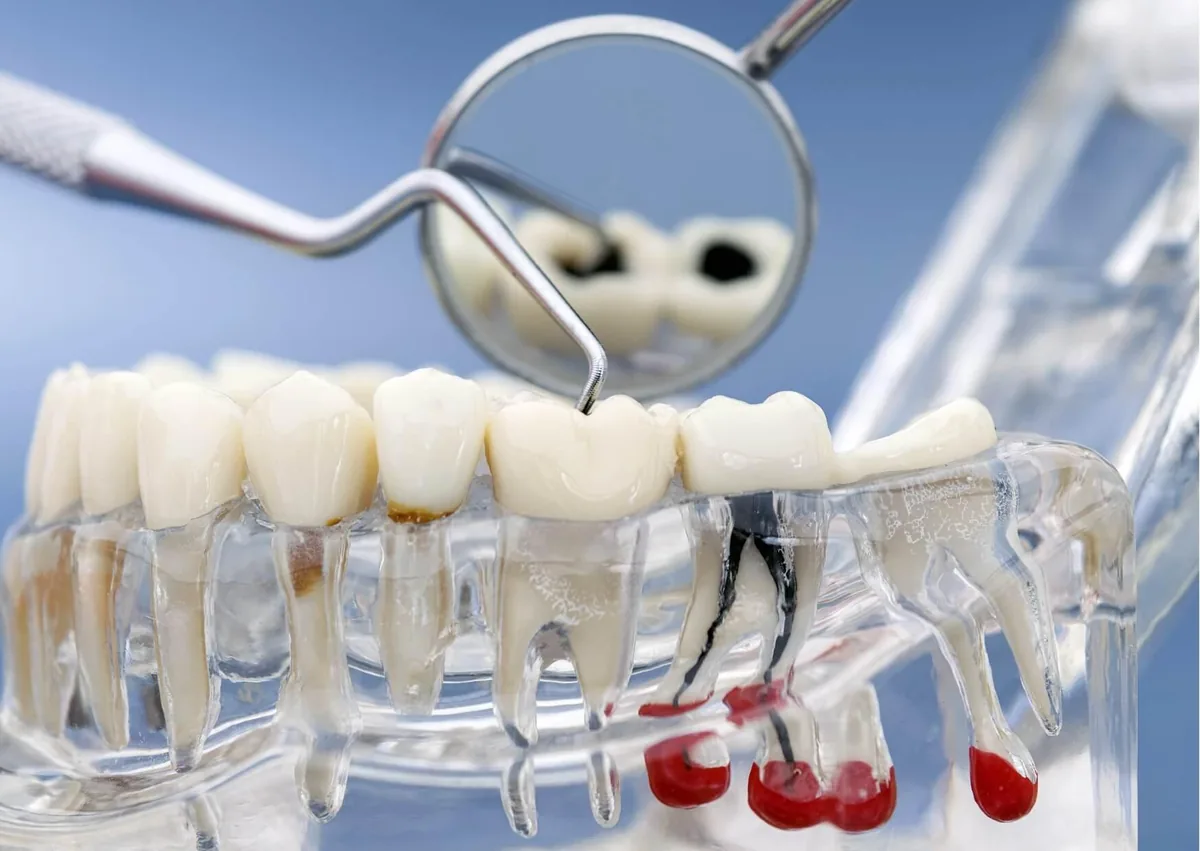
Once decay moves through enamel and into dentin, the softer layer underneath, it can advance more quickly. If it reaches the pulp, the inner part of the tooth with nerves and blood vessels, it may cause severe pain or infection and may require a root canal to save the tooth. For a deeper look at the process, see the science of tooth decay.
Some cavities progress slowly, while others move faster. The timeline depends on both the person and the tooth surface involved.
Common factors that can speed up decay include:
Children may develop cavities faster because baby teeth have thinner enamel and dentin. Older adults may also be at higher risk when root surfaces are exposed, since roots do not have the same enamel protection as the crown of the tooth.
Risk can also change over time. A new medication, a diet shift, dry mouth, or trouble brushing and flossing can make decay progress faster than it did in the past.
Early decay often causes no pain or obvious symptoms. A dentist may find it during an exam or on X-rays before you notice anything unusual.
As decay gets deeper, symptoms may include sensitivity to cold, heat, or sweets, pain when biting, visible discoloration, food catching in one area, or a rough spot or hole. Still, pain does not show exactly when the cavity began, and a painless tooth can still have significant decay.
Sensitivity is not always caused by a cavity. It can also come from gum recession, enamel wear, a cracked tooth, or another dental problem, which is why an exam is needed to tell the difference. If you want more detail on symptoms, read what a cavity feels like.
If decay is limited to early enamel demineralization, it can sometimes be stopped or remineralized. A dentist may recommend fluoride treatment, better plaque removal, diet changes, or sealants based on the tooth and your cavity risk.
Once a true hole forms, the lost tooth structure does not grow back. At that point, the tooth usually needs treatment such as a filling to remove decay and restore shape and function.
Waiting for pain is risky because cavities can keep growing silently. Treating decay early is often simpler, less invasive, and easier on the tooth.

Brush twice a day with fluoride toothpaste and clean between your teeth daily. After brushing, spit out the excess toothpaste instead of rinsing hard with water unless your dentist tells you otherwise. For technique tips, see how to clean teeth like a dentist.
Try to reduce how often your teeth are exposed to sugar and acidic drinks, not just how much you consume overall. Water is the best choice between meals, and sugar-free gum may help stimulate saliva for some people. Learn more about how food affects teeth.
Keep family dentistry visits on the schedule recommended for your risk level. Regular exams can help catch early changes, monitor dry mouth, and identify areas that may need fluoride, sealants, or closer follow-up.
Schedule a dental evaluation if you have ongoing sensitivity, tooth pain, a visible hole, dark discoloration, food repeatedly catching in one area, or discomfort when biting. It is also smart to get checked if something feels off or if you are overdue for a routine exam.
Seek prompt care or emergency dentistry for worsening pain, swelling, pus, fever, or trouble opening your mouth. Trouble breathing or swallowing, rapidly spreading swelling, or swelling near the eye requires urgent emergency evaluation.
Because cavities can form without symptoms and progress at different speeds, an exam is the best way to know what is happening. Early treatment can preserve more healthy tooth structure and lower the risk of bigger problems later.
If you have persistent sensitivity or visible decay, the next step is a dental exam to determine whether preventive care, a filling, or more urgent treatment is needed. Central Avenue Dental offers family dentistry in Charlotte, NC and nearby Concord and Gastonia; call (704) 900-7301 or book online to get timely care.
A full cavity usually does not appear suddenly in a healthy permanent tooth, but early mineral loss can begin within weeks of repeated acid exposure. Decay may move faster in baby teeth, exposed roots, dry mouths, or people with a high cavity risk.
There is no fixed timeline. Some early areas stay stable for years with good prevention, while others worsen within months, so dentists look at the tooth’s location, X-rays, exam findings, and overall risk.
No. Early cavities and even some deeper ones may not hurt, which is why the absence of pain does not rule out decay.
Brushing with fluoride toothpaste can help stop or reverse early mineral loss before a hole forms. It cannot rebuild tooth structure once a physical cavity has already developed.
Contact us today to beautify your smile and improve your oral health.
Phone
Monday - Wednesday
7:00am to 3:00pm
Thursday
8:00am to 3:00pm
Friday - Sunday
CLOSED