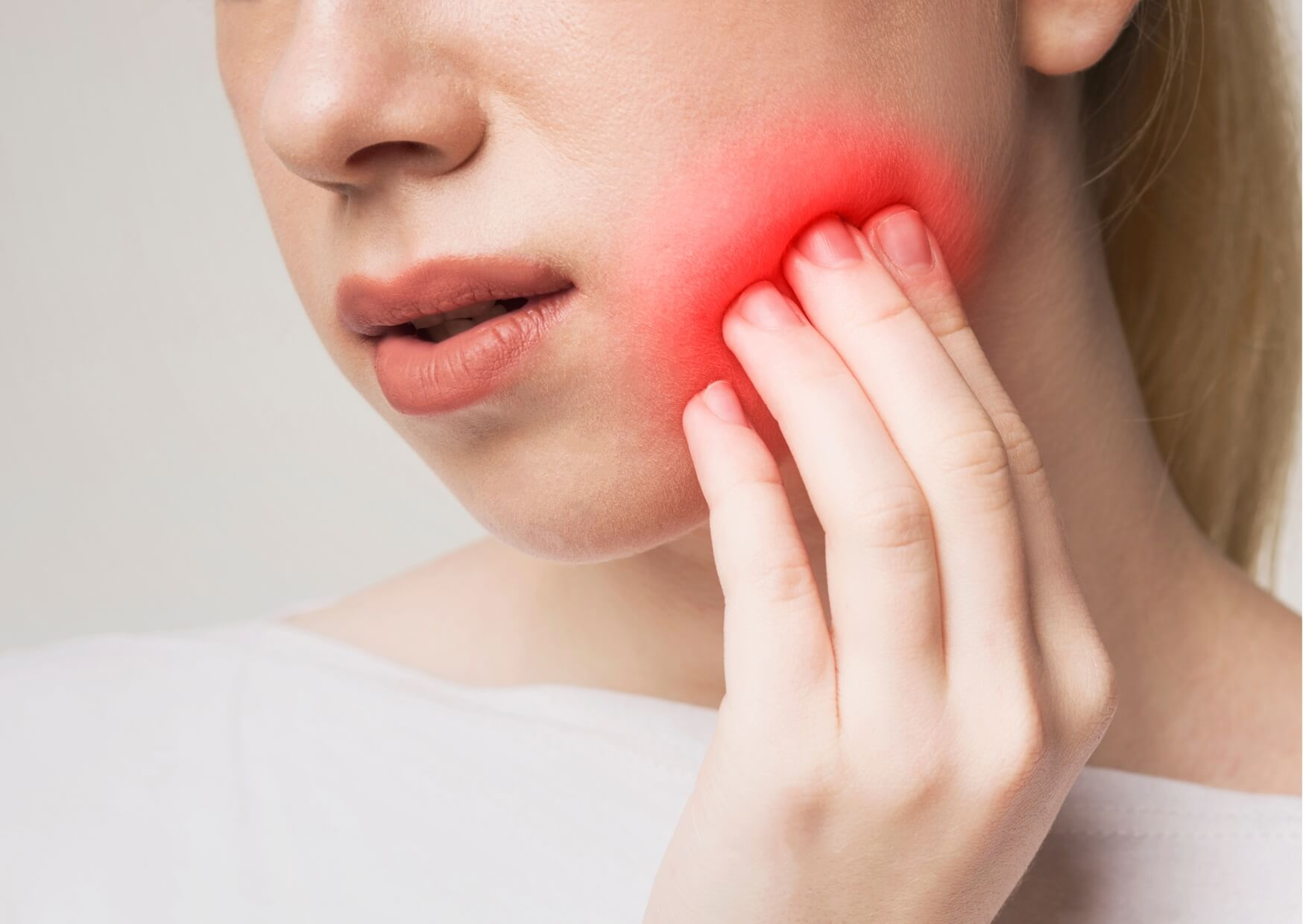
A toothache can be hard to ignore. Pain often gets worse with chewing, temperature changes, or pressure. If you need toothache relief, the short answer is this: you may be able to ease symptoms for a little while, but lasting relief usually depends on treating the cause.
Pain may come from a cavity, an inflamed tooth nerve, gum disease, a cracked tooth, a loose filling, or an infection around the root. Sometimes pain that feels like a toothache is actually coming from the jaw joint, sinus pressure, or nighttime clenching.
A simple rule can help. If pain is severe, keeps returning, wakes you from sleep, or comes with swelling, fever, or trouble swallowing, do not rely on home care alone.
Central Avenue Dental in Charlotte, NC provides emergency dentistry for urgent tooth pain and related issues.
Short-term steps may calm irritation and make it easier to eat, sleep, or get through the day. They do not remove decay, repair a crack, or treat a dental abscess, which is a pocket of infection.
That is why pain that improves for a few hours can still need prompt dental care. Pain that comes and goes may still point to a problem that is getting deeper inside the tooth.
If the tooth is sensitive to cold for only a moment, the cause may be minor wear, gum recession, or early decay. If pain lingers after cold food and drinks, throbs on its own, or gets worse with heat, the nerve inside the tooth may be inflamed or damaged.
Several dental problems can cause similar pain, so symptoms alone do not always identify the source. Still, the pattern of pain often gives useful clues.
A cavity may start with mild sensitivity to sweets or cold. As decay moves deeper, the pulp, which is the soft tissue inside the tooth that contains nerves and blood vessels, can become inflamed and much more painful.
At that stage, pain may feel sharp, throbbing, or hard to pinpoint. Some people notice that the pain lingers long after the trigger is gone.
For more on how a cavity feels and what to expect, see our article, What Does a Cavity Feel Like.
A crack may cause pain when biting down or when you release the bite. A broken filling can expose sensitive tooth structure and cause sudden pain with cold air, drinks, or chewing.
These problems are easy to miss because the tooth may still look mostly normal. Pain when biting is one of the more helpful clues.
Soreness around one tooth may actually come from the gum rather than the tooth itself. Food packed between teeth, inflamed gums, or a deeper periodontal infection can cause tenderness, swelling, or a bad taste.
Pain from the gum often feels more sore or pressure-like than deep and electric. Bleeding when brushing is another common sign.
For persistent gum-related problems, consider learning more about our gum disease care options.
Nighttime grinding can make teeth feel achy, especially in the morning. It may also cause sensitivity, tiny enamel cracks, headaches, or soreness near the jaw joints.
Learn more about teeth grinding and ways to protect your smile.
This kind of pain often affects more than one tooth. It may be worse during stressful periods or after poor sleep.
When bacteria reach the root area, an abscess may form. This can cause throbbing pain, swelling, tenderness to touch, and sometimes a pimple-like bump on the gum that drains fluid.
This is one of the most important causes to catch early because infection can spread. Facial swelling or fever should be treated as urgent.
In many cases where the nerve is infected, root canal treatment can remove the infected tissue and relieve pain while saving the natural tooth.
A few simple steps may help reduce irritation while you wait to be seen. The goal is comfort and protection, not trying to fix the tooth at home.
Mayo Clinic also outlines safe short-term relief steps for toothaches.
Keep the area as clean as you comfortably can with gentle brushing and careful flossing, especially if food may be trapped between teeth. Rinsing with warm salt water may soothe irritated gums and help clear debris.
For a longer list of at-home strategies, review our guidance on home remedies.
Avoid very cold, very hot, sugary, or hard foods if they trigger pain. Chewing on the opposite side may reduce pressure on a cracked tooth or sore area.
If there is swelling on the outside of the face, a cold compress on the cheek may help with comfort. Do not place aspirin or other substances directly on the gum or tooth, because this can irritate or burn the tissue.
Temporary relief is useful, but it should not become a reason to postpone care. If pain keeps returning, the tooth usually needs a proper diagnosis.
Some symptoms suggest a problem that should be checked quickly rather than watched at home. These signs do not always mean a dangerous condition, but they do raise the level of concern.
Seek urgent dental care if you have swelling of the face or jaw, fever, a bad taste with pus drainage, severe throbbing pain, pain that prevents sleep, or pain after dental trauma.
Trouble opening the mouth, swallowing, or breathing needs immediate medical attention. If you're unsure where to turn, our article on emergency dental care explains what to expect and how to get help quickly.
People with diabetes, immune suppression, recent major illness, or a history of significant dental infection should be especially cautious. In those situations, oral infections may worsen faster or behave less predictably.
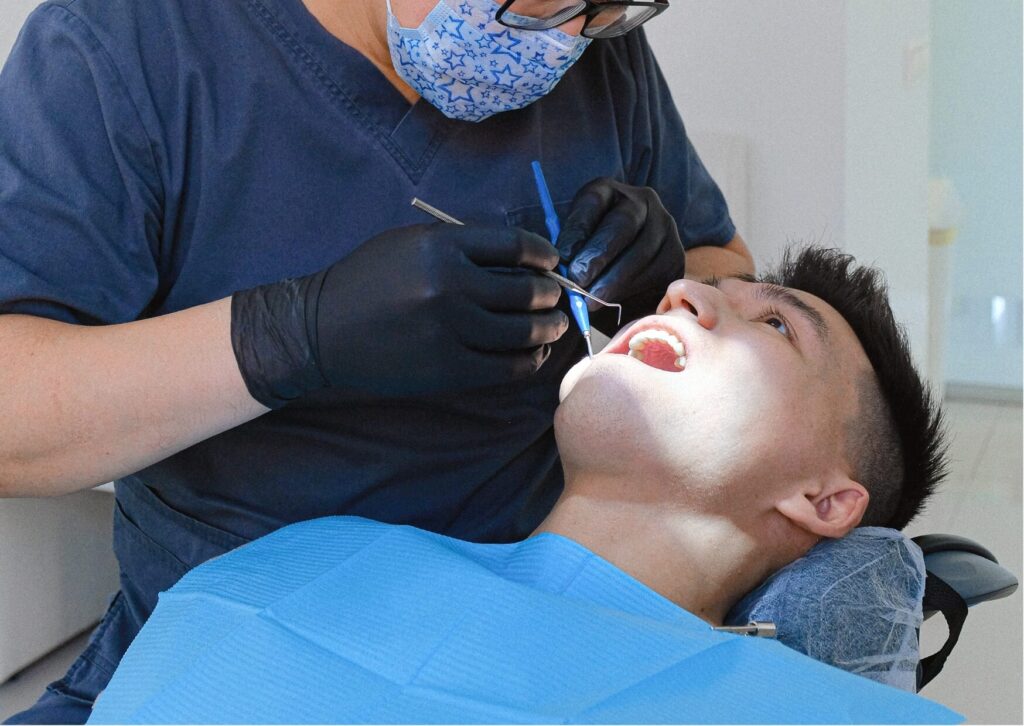
The exam is usually straightforward, but it matters because different causes can feel surprisingly similar. A dentist may check for decay, cracks, gum pockets, bite pressure, temperature sensitivity, and tenderness around the root.
Dental X-rays often help show what cannot be seen directly, such as decay between teeth, bone loss, or infection near the root tip. In some cases, the bite itself is part of the problem, especially if a filling is high or clenching is contributing.
A good diagnosis matters because treatment for one cause may not help another. A cracked tooth may need protection or restoration, while a deep infection may require root canal treatment or removal of the tooth if it cannot be saved.
If decay is caught early, a filling may be enough. If the tooth is badly damaged or cracked, a crown may be recommended to protect what remains.
When the nerve inside the tooth is inflamed beyond recovery, root canal treatment may be the best way to remove infected tissue and keep the tooth. If the tooth cannot be restored safely, extraction may be the more predictable option.
Gum-related pain may improve with cleaning, removal of trapped debris, or periodontal treatment if deeper infection is present. If grinding is a major factor, the plan may also include bite evaluation and a night guard recommendation.
A common mistake is assuming pain means the tooth will need to be removed. Many painful teeth can still be saved when the source is identified early.
Dental pain often changes from day to day. A tooth may feel quiet in the morning, flare with lunch, and throb at night because pressure, temperature, and inflammation all affect symptoms.
That variation can be misleading. A tooth that suddenly stops hurting is not always healing.
In some cases, the nerve has become less responsive because the damage has progressed. If symptoms persist beyond a day or two, keep returning, or become more intense, book a dental visit even if the pain is not constant.
Intermittent pain is still real evidence that something may need treatment.
The basics still matter. Brushing twice daily with fluoride toothpaste, cleaning between teeth, and keeping regular dental visits remain the most reliable ways to reduce cavities and gum disease.
Our family dentistry services support routine care for patients of all ages. It also helps to address small problems early. A minor cavity, a chipped filling, or early gum inflammation is usually much easier to manage than pain that starts suddenly on a weekend.
If you clench or grind, ask whether your teeth show wear or stress lines. Catching that pattern early may prevent cracks and repeated sensitivity later. The safest next step is a dental evaluation that matches the pain pattern to the actual cause. That is the point where temporary comfort turns into a plan that can truly solve the problem.
For same-day emergency dentistry in Charlotte, NC and nearby Concord and Matthews, Central Avenue Dental can help. Call us at (704) 900-7301 to schedule.
Sometimes the pain settles temporarily, especially if the trigger was food trapping or brief irritation. That does not mean the problem is gone, and recurring pain should be checked.
No. Throbbing pain may happen with deep decay, nerve inflammation, a crack, or infection. Because symptoms overlap, an exam is the best way to confirm the cause.
It is more urgent when there is swelling, fever, pus, severe worsening pain, or trouble swallowing or breathing. Trauma with a broken or displaced tooth also needs prompt care.
Yes. Sinus inflammation can create pressure in the upper back teeth because the roots sit close to the sinus floor. If several upper teeth feel sore during congestion, that pattern may fit sinus-related pain.
Mild pain does not always mean a minor problem. If sensitivity lasts, keeps returning, or starts affecting chewing, cold drinks, or sleep, it is reasonable to schedule a dental visit before it becomes harder to treat.
Contact us today to beautify your smile and improve your oral health.
Phone
Monday - Wednesday
7:00am to 3:00pm
Thursday
8:00am to 3:00pm
Friday - Sunday
CLOSED