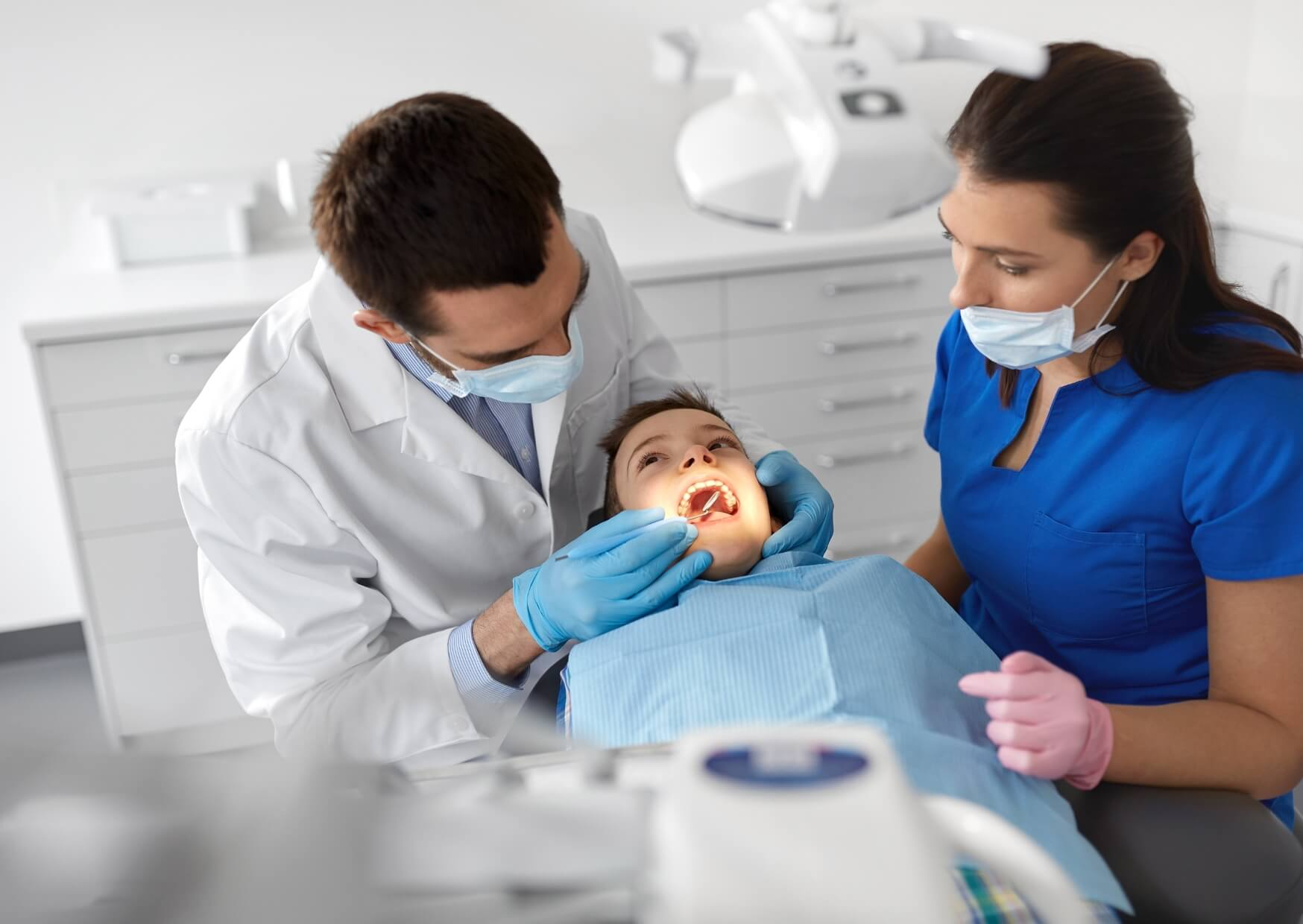
If you are wondering when to schedule a first dental visit, the short answer is early. Most children should see a dentist by their first birthday or within 6 months of the first tooth erupting, whichever comes first.
That timing surprises many parents, but it is the standard for good reason. According to the American Academy of Pediatric Dentistry’s guidance on the first dental visit, early visits help catch tooth decay, monitor oral development, and give families practical guidance before small problems become painful or expensive.
Central Avenue Dental offers family dentistry in Charlotte, NC and provides early-childhood preventive care and first visits for infants and toddlers.
Baby teeth are temporary, but they still play an important role. They help with chewing, speech development, jaw growth, and holding space for adult teeth.
Learn more about the importance of baby teeth. A child can develop cavities soon after teeth appear, and decay in young children can progress quickly.
This is especially true when teeth are exposed often to milk, juice, sweet drinks, or frequent snacks. An early dental visit also gives parents guidance on brushing, fluoride, feeding habits, and comfort habits such as thumb sucking or pacifier use.
If no teeth have erupted, most children still do not need to be seen before age 1 unless there is a specific concern. The first birthday is still a useful checkpoint even if tooth eruption is a little late.
That said, delayed eruptions may deserve a closer look if there are other growth or developmental concerns. A dentist or pediatric dentist can decide whether the pattern looks normal or whether follow-up is needed.
Do not wait for the routine first visit if your child has symptoms. Some dental problems in young children move quickly and are easier to treat when caught early.
Arrange a dental evaluation sooner if you notice:
Facial swelling, fever with dental pain, or trouble swallowing are urgent warning signs. These symptoms can point to a more serious infection and should be assessed promptly.
If your child has severe pain, a knocked-out tooth, or swelling, seek help from our emergency dentistry team right away. Read more about emergency dental care for next steps.
The first visit is usually simple and low stress. In many cases, it includes a short exam, a review of habits and diet, and time for questions.
The dentist may check:
Some offices use a knee-to-knee exam for infants and toddlers, with the child resting partly in a parent’s lap. That approach is common and helps keep the visit safe and efficient.
The biggest value of the first visit is often prevention. Parents get personalized guidance before a child develops pain, fear, or a cavity history.
Keep the message simple. Tell your child the dentist will count and check the teeth and help keep the mouth healthy.
Try to avoid words that create fear, such as promising that nothing will hurt. It is usually better to stay calm, matter-of-fact, and brief.
A few practical steps can help:
If possible, choose a dental office that regularly sees children. A pediatric dentist is a dentist with extra training in child dental development and behavior guidance.
For very young or anxious children, ask about our sedation options to help make exams and treatment more comfortable.

Many children are seen every 6 months, but that is not a rule for every child. Visit timing may vary based on cavity risk, oral hygiene, diet, fluoride exposure, and past dental findings.
A child with early decay, enamel weakness, crowding, or high sugar exposure may need closer follow-up. A dentist will recommend a schedule based on risk, not just age.
Many parents assume a child is too young for the dentist if there are only a few teeth or no obvious symptoms. That is understandable, but cavities can start early and may not be easy to spot at home.
Another common reason is the belief that baby teeth do not matter because they fall out. In reality, untreated decay in baby teeth can cause pain, infection, eating problems, sleep disruption, and early tooth loss.
Prevention starts at home long before a child can brush alone. Small daily habits can make a real difference over time.
Helpful basics include:
These habits matter because early childhood caries are strongly linked with frequent sugar exposure, inadequate cleaning, and other preventable risk factors.
For step-by-step tips on building routines, see our kids' brushing and flossing resource. If you want a broader prevention plan, see our cavity prevention guide for more detail.
If you are unsure whether your child is getting enough protection, a dental visit is the right place to sort that out. Prevention is much easier than treating decay in a very young child.
Some problems should not wait for the next available cleaning or routine exam. Call a dentist promptly if your child has significant pain, a dental injury, or visible swelling.
Seek urgent evaluation if there is:
These signs can point to infection or trauma that needs timely care. Public health guidance on a dental emergency also highlights severe pain and unusual swelling as warning signs.
If symptoms seem severe or your child appears unwell, urgent medical assessment may be appropriate. If your child has not had a first dental visit yet, scheduling one early is one of the simplest ways to prevent avoidable problems.
It also gives you a clear place to turn if a concern comes up later. Our practice provides family-focused preventive care and guidance through our family dentistry services.
Central Avenue Dental in Charlotte, NC offers family dentistry for young children and families, and we also serve nearby Concord and Matthews; call (704) 900-7301 to schedule.
Age 3 is later than recommended for a first visit. Many children do fine, but waiting that long can miss early decay or prevention opportunities.
Either may be appropriate if the office is comfortable caring for young children. A pediatric dentist has extra training in child-focused dental care and may be especially helpful for very young children, anxiety, or higher-risk dental needs.
That is common, especially in infants and toddlers. A first visit is often brief, and experienced dental teams expect some crying or resistance.
Yes. Cavities can develop soon after teeth erupt, especially when teeth are exposed often to sugars and are not cleaned well.
White spots can have different causes, but they may be an early sign of enamel damage or decay. It is worth having a dentist examine them, especially if the spots are new or becoming more noticeable.
Contact us today to beautify your smile and improve your oral health.
Phone
Monday - Wednesday
7:00am to 3:00pm
Thursday
8:00am to 3:00pm
Friday - Sunday
CLOSED