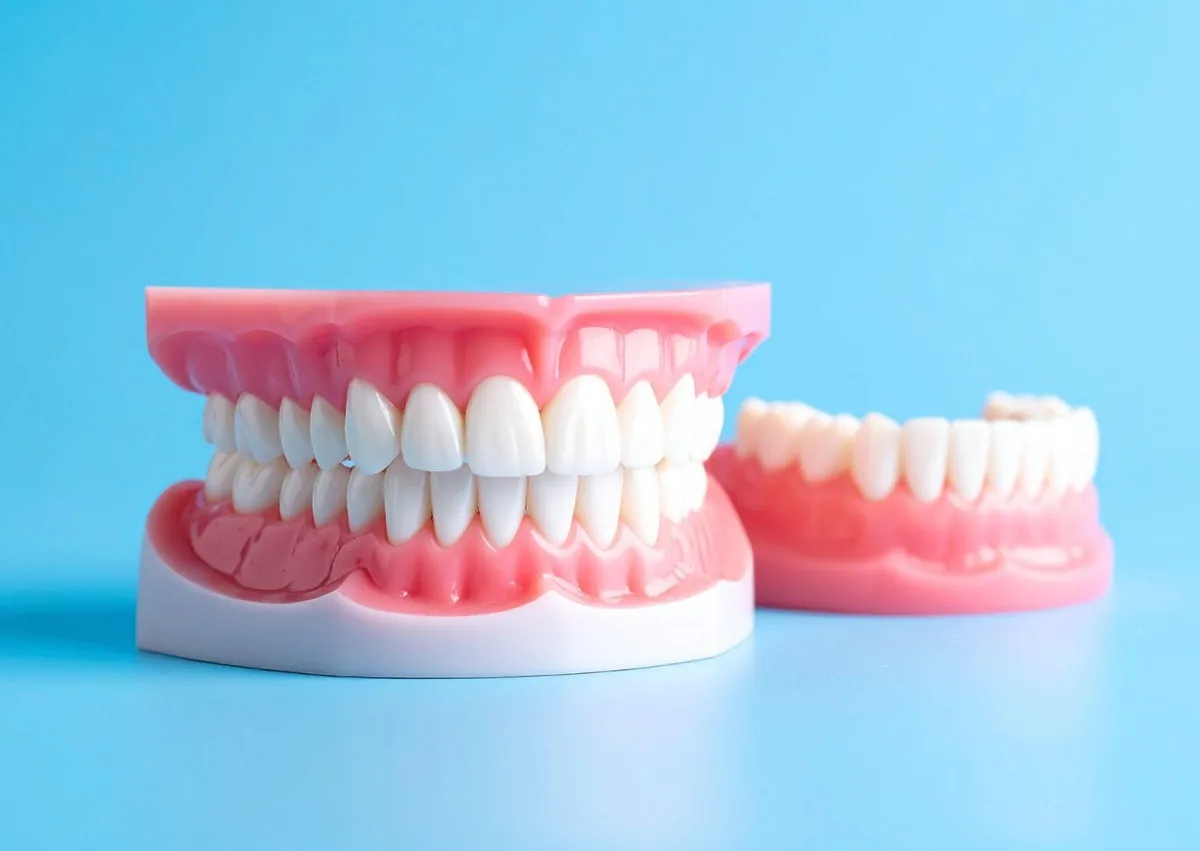
How much do dentures cost? In the United States, a removable denture often costs about $1,000 to $3,000 per arch. Basic dentures may cost less, while premium and implant-supported options can cost much more.
Your final price depends on the denture type, materials, needed dental work before treatment, local fees, and insurance coverage. For a broader comparison of tooth replacement choices, see our crowns, bridges, dentures, implants.
If you're weighing options for replacing several missing teeth or comparing removable solutions, a clear overview of denture types and trade-offs can help you decide. Central Avenue Dental in East Charlotte offers focused denture guidance to explain options, typical costs, and what to expect from treatment.
An arch means all upper teeth or all lower teeth. If you need both arches replaced, confirm whether the quote is for one arch or a full upper-and-lower set.
|
Denture Type |
Typical U.S. Price |
What the Price Generally Covers |
|---|---|---|
|
Complete removable denture |
$1,000 to $3,000 per arch |
Replacement of all teeth in one arch |
|
Partial removable denture |
$700 to $2,500 per arch |
Replacement of some teeth with an acrylic or metal framework |
|
Immediate denture |
$1,000 to $3,500 per arch |
Denture placed soon after extractions |
|
Implant-supported denture |
$5,000 to $20,000 or more per arch |
Denture plus implant-related components; scope varies widely |
These are broad typical U.S. prices, not guaranteed fees. Implant-supported treatment varies the most because the number of implants, imaging, dental implant surgery, and possible bone grafting can change the total significantly.
The type of denture is one of the biggest cost factors. A full denture, partial denture, immediate denture, and implant-supported denture each involve different materials, lab work, and appointment needs.
Materials also affect price. Premium denture teeth, reinforced bases, metal frameworks, digital design, and added customization can raise the fee, but the highest-priced option is not always the best fit for every patient.
Preparatory treatment is often billed separately. This may include an exam, X-rays or 3D scans, extractions, gum disease treatment, bone smoothing, sedation, or bone grafting managed through oral surgery.
Lab policies and follow-up care matter too. Ask whether the estimate includes try-ins, adjustments, temporary liners, relines, repairs, and any warranty coverage.
Location and case complexity can also change the fee. Severe bone loss, a strong gag reflex, or a difficult bite may require more planning and more visits.
Dental insurance may cover part of the cost of removable dentures after your deductible. Coverage often depends on a percentage benefit, annual maximum, waiting period, and replacement-frequency rule.
Many plans limit denture replacement to once every several years. Implant treatment may have little coverage or no coverage at all.
Medicare coverage generally does not include routine dentures. Some Medicare Advantage plans may offer limited dental benefits, while Medicaid denture coverage varies by state and eligibility category.
Ask for a written treatment estimate with procedure codes and request a pre-treatment estimate from your insurer. It is not a guarantee of payment, but it can help you understand expected benefits and out-of-pocket costs.
Flexible spending accounts and health savings accounts may help with eligible dental expenses. If financing is offered, compare interest rates, fees, and repayment terms before you agree.
A conventional denture is usually made after the gums have healed enough for more stable impressions. That can improve the initial fit, but it may mean spending some time without teeth or using a temporary option.
An immediate denture is made before extractions and placed soon after teeth are removed. It avoids an initial toothless period, but gum and bone changes during healing often mean more adjustments, temporary liners, or a later reline or replacement.
Implant dentures connect to implants placed in the jaw. They can improve stability and chewing, especially for a lower denture, but they also require enough bone, healthy tissues, surgery, healing time, and ongoing maintenance. For implant pricing details, see our cost of dental implants.
Treatment usually starts with an exam of the gums, remaining teeth, bite, and jawbone. Impressions or digital scans record the mouth, and trial setups help guide tooth position, appearance, and bite.
New dentures often feel bulky at first. Speaking and chewing usually improve with practice, but persistent pain, open sores, or repeated slipping should be checked by a dentist instead of managed with heavy adhesive use.
The gums and jawbone change over time, especially after extractions. A reline can improve fit, while major wear or structural changes may mean the denture needs replacement.
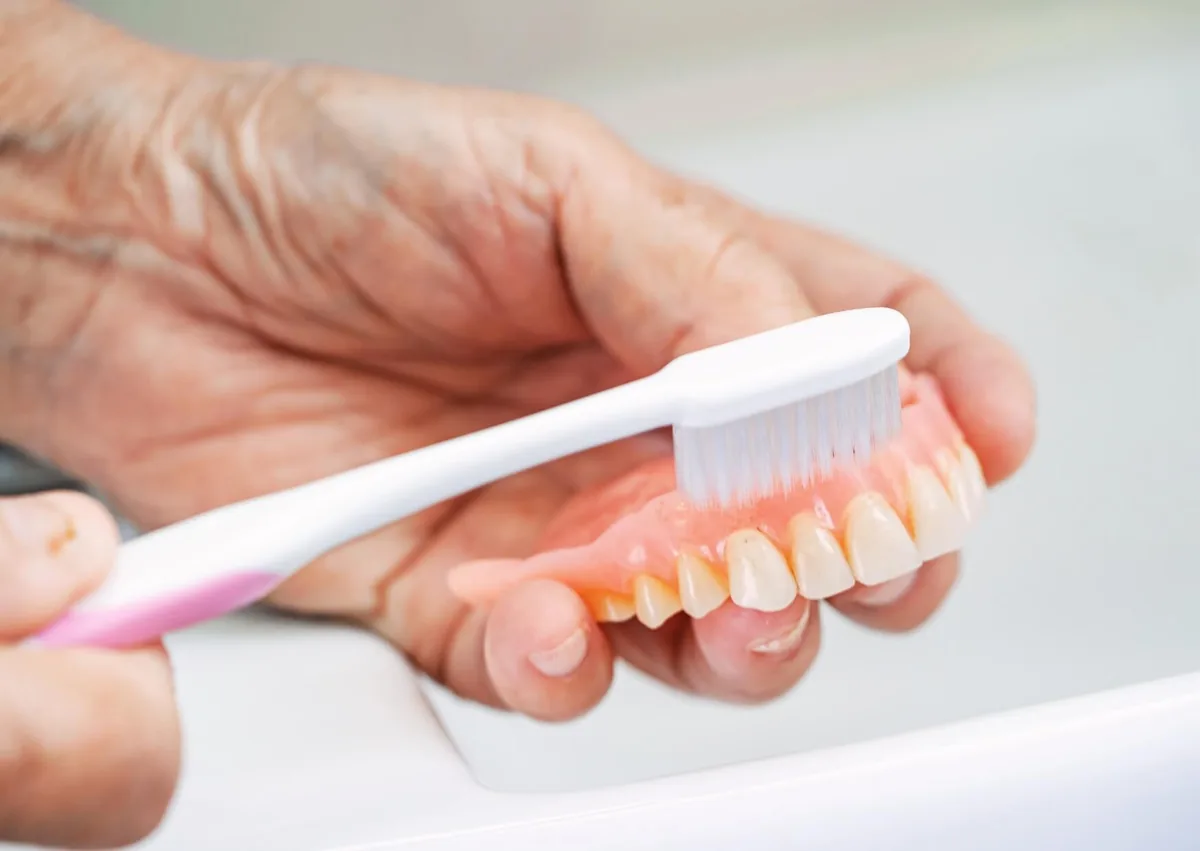
Clean dentures every day with a soft denture brush and a cleanser made for dentures. Regular toothpaste can be abrasive, and hot water can warp some materials. For more daily care tips, see caring for your dentures.
Unless your dentist tells you otherwise, remove removable dentures at night. This helps rest the tissues and may lower the risk of irritation or infection.
Keep regular dental visits even if you no longer have natural teeth. A dentist can check the fit, screen for disease, inspect implants if present, and catch small cracks or pressure spots early.
Avoid home repair kits and household glue. Professional repair is safer and may prevent more expensive damage later.
Schedule a dental visit if you notice increasing looseness, repeated sores, trouble chewing, persistent odor after cleaning, cracks, broken teeth, or a change in your bite. White or red patches, a lump, numbness, unexplained bleeding, or an ulcer lasting more than two weeks also need prompt evaluation.
Seek urgent care for facial swelling, fever with dental pain, pus, uncontrolled bleeding, or severe pain that is getting worse quickly. Call emergency services for trouble breathing or swallowing, rapidly spreading swelling, or other signs of a serious infection.
A full exam and itemized estimate can separate the denture fee from the cost of extractions, adjustments, relines, repairs, and long-term maintenance. Comparing the full treatment plan, not just the appliance price, usually leads to a safer and more predictable decision.
For a personalized cost estimate and to review whether removable or implant options suit your mouth, arrange a clinical exam and discussion of the full treatment plan. Central Avenue Dental can help with dentures in East Charlotte near Plaza Midwood and Cotswold; call (704) 900-7301 or book online to get started.
Usually, yes. Most denture quotes are priced per arch, so confirm whether the estimate covers the upper arch, lower arch, or both.
Many removable dentures need replacement after about 5 to 10 years. The timeline depends on wear, fit, changes in the mouth, and how well the denture is cared for.
A lower price does not automatically mean unsafe treatment. Fit, materials, clinical oversight, and follow-up care matter, and very low advertised prices may leave out exams, extractions, adjustments, or relines.
Not always. Extractions, imaging, sedation, bone shaping, and grafting are often separate charges and should be listed clearly in the treatment plan.
Complete dentures can replace all teeth in one arch, while partial dentures replace selected teeth. A dentist should still evaluate the remaining teeth, gums, bone, and bite to decide which design may be appropriate.
Contact us today to beautify your smile and improve your oral health.
Phone
Monday - Wednesday
7:00am to 3:00pm
Thursday
8:00am to 3:00pm
Friday - Sunday
CLOSED