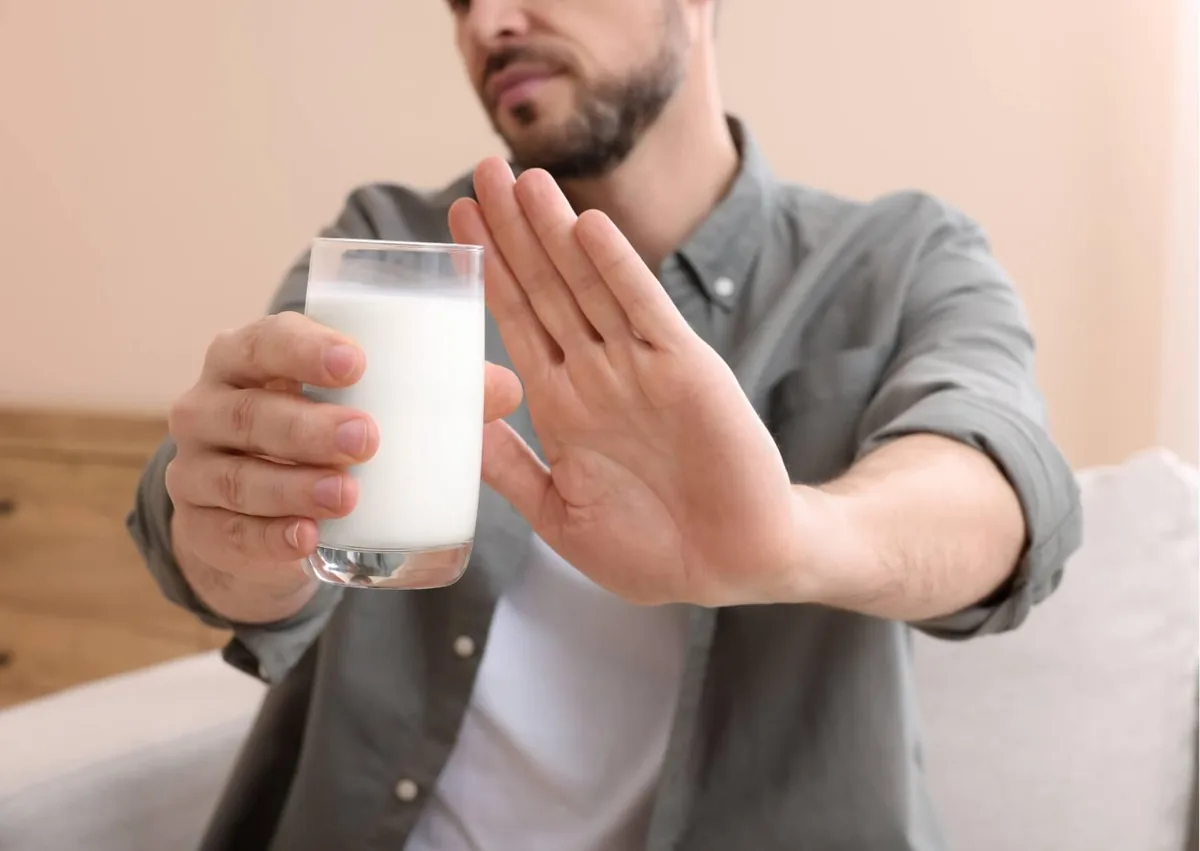
After a dental implant, dairy is usually not harmful by itself. Some dentists ask you to avoid it for a short time because dairy can worsen nausea after sedation, feel heavy on the stomach, or be hard to eat comfortably depending on the procedure.
If you’re unsure what is safe to eat after dental implant surgery, a focused visit can help you understand which food restrictions apply to your case and why. At Central Avenue Dental in Charlotte, NC, we explain recovery steps in plain language so you can protect the implant site and feel more confident during healing.
The main reason is usually stomach upset, not implant failure. If you had sedation dentistry, swallowed some blood during surgery, or are taking pain medicine, rich dairy foods like ice cream or milkshakes may make nausea or vomiting more likely.
Vomiting can irritate the surgical area and may restart bleeding. That is why some dentists prefer patients to avoid dairy for the first day, especially after sedation.
Sometimes the issue is the texture of the food rather than the dairy itself. Thick, sticky, very cold, or chunky foods can be uncomfortable, and yogurt with granola, seeds, or fruit pieces can leave debris near the incision.
In some cases, your instructions may also reflect medication guidance. Medication-food interactions can vary, so your own dentist or prescriber’s written directions should take priority over general advice online.
If your dentist did not tell you to avoid dairy and you are not nauseated, smooth dairy foods may be fine. Plain yogurt, milk, and cottage cheese are often easier choices because they are soft and do not require much chewing.
Choose foods that are cool or room temperature and free of hard mix-ins. Avoid nuts, seeds, granola, candy pieces, and anything sticky that could collect around the implant site.
Do not use a straw for milkshakes or smoothies unless your dentist says it is okay. Suction can disturb the healing site, especially if you had an extraction at the same visit.
If dairy makes your stomach feel worse, switch to other soft foods for a day or two. Smooth applesauce, mashed avocado, blended soup that is not hot, or soft eggs may work well if allowed by your dentist (see soft food recipes).
In the first few days, protecting the surgical site matters more than whether a food contains dairy. Avoid hard, crunchy, chewy, spicy, and very hot foods for as long as your dental team recommends.
Chew on the opposite side if possible. Do not poke the area with your tongue or fingers, because repeated pressure can irritate the tissue.
Follow your cleaning instructions closely. If you were told not to spit forcefully or rinse hard right away, avoid doing so during early healing.
Do not smoke or vape while you heal. Nicotine and heat can increase the risk of complications and may affect implant success.
Some soreness, swelling, bruising, and light oozing can be normal at first. Healing may take longer if you had multiple implants, a tooth extraction, bone grafting, or another oral surgery procedure during the same visit.
Most people notice the most tenderness and swelling in the first few days. Symptoms should gradually improve, not get worse.
Your food choices should stay soft and low-irritation until your dentist says you can expand your diet. Even if dairy is allowed, it is still best to avoid foods that are hard to chew or likely to leave particles behind.
Because instructions vary by case, the safest answer is always the one from your own dental team. That is especially true if you had sedation, grafting, or a more complex implant procedure.
Call your dentist or oral surgeon if pain, swelling, or bleeding is getting worse instead of better. Also call if you notice fever, pus, a persistent bad taste, increasing redness, or a healing cap or implant part that feels loose.
Ask for prompt advice if numbness lasts longer than expected or if you are unsure whether a food restriction still applies. It is better to clarify early than to irritate the area by guessing.
Get urgent medical care for trouble breathing, trouble swallowing, rapidly spreading swelling, fainting, or signs of a serious allergic reaction.
If you need procedure-specific advice or to discuss implant timing, speak with our team to review your case and post-op food precautions. Call Central Avenue Dental about dental implant surgery in Charlotte, NC, and nearby Concord or Gastonia to book an appointment at (704) 900-7301.
There is no single rule for everyone. Some patients can have smooth dairy foods the same day, while others are told to avoid dairy for the first 24 hours or longer because of sedation, nausea, medications, or the details of the surgery.
No, dairy itself is not considered a direct cause of dental implant infection. The bigger concerns are vomiting, food debris near the site, smoking, poor oral hygiene, and not following post-op instructions.
Yes, if your dentist allows dairy and you are not nauseated, plain smooth yogurt is often a reasonable option. Avoid yogurt with seeds, nuts, granola, or fruit chunks.
Maybe, but it depends on how your stomach feels and what your dentist advised. Soft ice cream without hard mix-ins may be tolerated, but very rich dairy can worsen nausea for some people after surgery.
Contact us today to beautify your smile and improve your oral health.
Phone
Monday - Wednesday
7:00am to 3:00pm
Thursday
8:00am to 3:00pm
Friday - Sunday
CLOSED