Affordable dental implants in Charlotte, NC, are possible, but the best value usually comes from a complete treatment plan rather than the lowest advertised price. A safe, cost-conscious choice should include a proper exam, appropriate imaging, quality materials, qualified care, and a clear explanation of every fee.
If you're deciding between short-term fixes and a long-lasting tooth replacement, dental implant surgery can provide a stable foundation for crowns, bridges, or dentures that preserves function and bone. Central Avenue Dental in East Charlotte, NC helps patients understand evaluation, imaging, and realistic outcomes so you can choose the safest option.
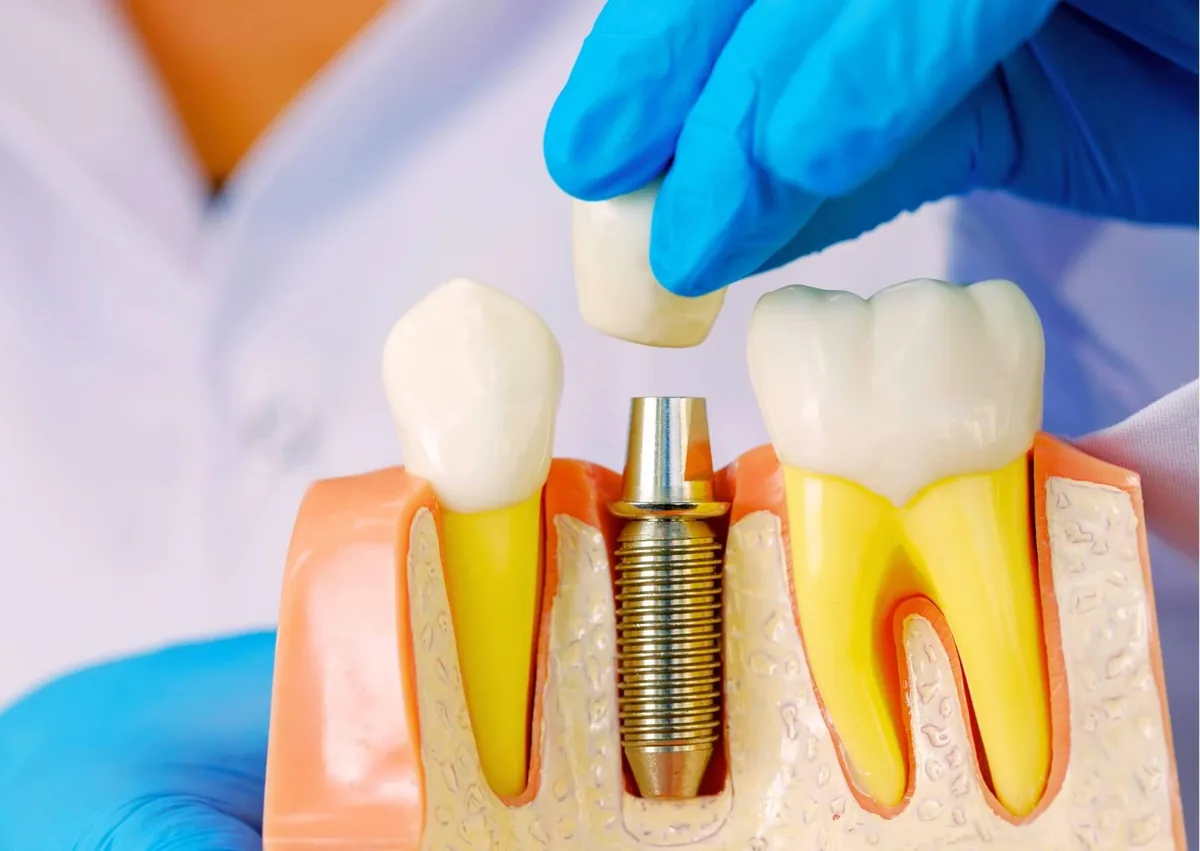
A dental implant restoration usually has three main parts: the implant placed in the jawbone, the abutment that connects it, and the crown that shows above the gumline. Some advertised prices include only one part, not the full treatment.
Your total cost may also include imaging, sedation, tooth removal, bone grafting, temporary teeth, and follow-up visits. Ask for a written, itemized treatment estimate that lists each service and notes which fees could change after imaging or surgery. For more details on typical fees and breakdowns, see cost of dental implants.
Dental insurance may help with parts of care such as the exam, extraction, crown, or related treatment, even when the implant itself is excluded. Annual maximums, waiting periods, missing-tooth clauses, and network rules can all affect your out-of-pocket cost.
Implants are one option for replacing missing teeth, but they are not the only one. A dentist should review your oral health, bone support, medical history, budget, and long-term maintenance needs before recommending treatment. See dental implants pros and cons for a balanced look at benefits and limitations.
|
Option |
Typical Use |
Main Consideration |
|---|---|---|
|
Single implant and crown |
One missing tooth |
Does not require shaping nearby teeth, but needs surgery and healing time |
|
Implant-supported bridge |
Several neighboring missing teeth |
May replace multiple teeth with fewer implants |
|
implant dentures |
Many or all teeth missing |
Can improve denture stability, but components still need maintenance |
|
Conventional bridge |
One or more missing teeth |
Usually faster, but relies on neighboring teeth |
|
Multiple missing teeth |
Often has a lower initial cost, but may feel less stable |
For a direct comparison of restorative options, see crowns bridges dentures implants.
In some cases, a removable option can restore appearance and basic function while you save for implants. In others, a conventional bridge may be appropriate, though it may require reshaping healthy neighboring teeth.
Start by comparing complete treatment plans, not promotional prices. Confirm whether the estimate includes the consultation, 3D imaging, implant, abutment, crown or denture, anesthesia, grafting, temporary restoration, and routine follow-up.
Potential ways to manage cost include:
Financing can lower monthly payments, but it may add interest, fees, or deferred-interest risk. Review the annual percentage rate, payment schedule, total repayment amount, and late-payment terms before signing.
Discount plans are different from dental insurance. Make sure the treating office participates and that the discount applies to each planned service.
Implants need enough healthy bone and gum tissue for support. After tooth loss, the jawbone can shrink, so some patients need bone grafting or a sinus-related procedure before an upper implant can be placed.
Active gum disease, untreated decay, smoking or vaping, teeth grinding, and some medical conditions can affect healing and long-term success. These issues do not always rule out implants, but they may need to be addressed first.
Price can also vary based on the implant system, lab work, restoration materials, clinician training, and case complexity. A complete exam and appropriate imaging are necessary before deciding whether a quote truly fits your case.

The dentist first evaluates your teeth, gums, bite, bone, health history, and medications. Two-dimensional X-rays or a cone-beam CT scan may be recommended to create a 3D view of the jaws and nearby structures, in line with imaging guidelines.
If treatment moves forward, the implant is placed in the jaw during dental implant surgery. Healing often takes several months while the bone bonds to the implant through osseointegration, though timing varies and some patients may receive a temporary tooth.
After healing, the abutment and final crown, bridge, or denture are attached. More complex cases involving extractions, grafts, or multiple implants usually require more visits and a longer timeline.
Implants do not get cavities, but the surrounding gum and bone can still become inflamed or infected. Daily brushing, cleaning around the implant, and regular professional care help lower that risk.
Avoiding tobacco and keeping diabetes well controlled may support healing and long-term implant health. A nightguard may also help if grinding or clenching puts too much force on the restoration.
Implants can last many years, but crowns, attachment parts, or dentures may eventually need repair or replacement. Ask whether the estimate includes maintenance and what the office warranty or remake policy covers.
Patients who want a general overview of implant success rates and factors that affect outcomes should discuss how those issues apply to their own case.
Schedule an evaluation if a missing or failing tooth is affecting chewing, speech, comfort, or confidence. Earlier treatment may preserve more options because bone loss can continue after a tooth is removed.
After implant surgery, contact the treating office if pain or swelling gets worse instead of better, bleeding continues, fever develops, pus appears, a bad taste persists, numbness does not improve as expected, or the implant or temporary tooth feels loose. Seek urgent medical care for trouble breathing or swallowing, rapidly spreading facial swelling, or uncontrolled bleeding.
For nonurgent concerns, a comprehensive consultation is the safest way to compare costs, alternatives, timing, and maintenance needs. Bring your insurance information, medication list, and any previous dental images so the plan can be reviewed efficiently.
A consultation will clarify whether implants, bridgework, or removable options best fit your mouth and budget and will produce an itemized plan you can compare. Call Central Avenue Dental for dental implant surgery in East Charlotte, NC, near Plaza Midwood and Cotswold, at (704) 900-7301 to schedule an appointment.
A lower price does not automatically mean lower quality, but an unusually low advertised price may leave out essential parts of treatment. Safety depends on proper diagnosis, sterile technique, suitable materials, qualified care, and appropriate follow-up.
Some plans pay part of the cost, while others exclude implants or cover only related services. Request a pretreatment estimate from the insurer, but remember that it is not always a guarantee of payment.
Some patients can have implants placed and receive temporary teeth on the same day. The final restoration usually depends on healing, and same-day treatment is not appropriate for every bone condition, bite, or medical history.
Ask each provider for the same level of detail, including imaging, surgery, implant components, restoration, anesthesia, grafting, temporary teeth, and follow-up. Also compare credentials, expected timeline, maintenance requirements, financing terms, and policies for complications or remakes.
Ask about bridges, removable dentures, phased care, payment arrangements, dental school clinics, and community resources. A dentist can explain which alternatives are safe for your current condition and whether delaying treatment may lead to more bone loss or other problems.
Contact us today to beautify your smile and improve your oral health.
Phone
Monday - Wednesday
7:00am to 3:00pm
Thursday
8:00am to 3:00pm
Friday - Sunday
CLOSED